Whistory
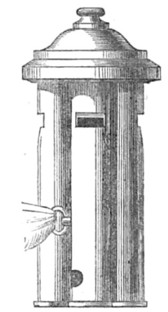
The Porteous Wind Instrument was registered as a design in 1845. How much before it was manufactured is unknown. Richard Porteous was a band leader, writer and whistle designer that designed this whistle. (See SPOTLIGHT 53).
Originally very few whistles were known. As time has progressed more models of Wind Instruments have surface, 3-tube whistles in two sizes, 4-tube in two sizes and now a 6-tube whistle has appeared. It has proven to be so far mono-typical and is described here.
Who Made These Wind Instrument (Whistles)?
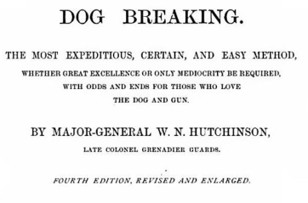
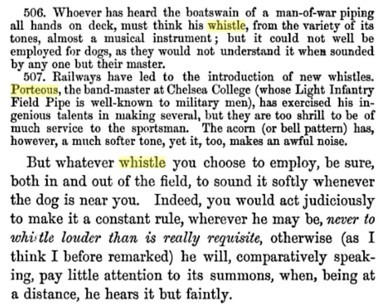
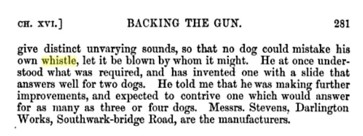
These are typically credited to Stevens and Son in literature and on the web and perhaps rightly so as a snippet from a dog training book would date their association as early as 1848, just 3 years after the registered design. (This was thought to be later, only due to a later edition of Dog Breaking by Major-General W.N. Hutchinson. The first edition was 1848.)
Why is this significant? Because we need to keep our minds open to change, not only because of previous knowledge of whistles, but because of the makers themselves. In this case each time a whistle by Richard Porteous arises, previously unknown, it helps to build a picture of the maker/designer and of course a date line.
Why the Revision of the Porteous 6-Tube Wind Instrument Article?
This revision updates earlier erroneous thoughts of Porteous’ relationship with Stevens and Son only dating to circa 1860.
Each whistle brings us a step closer to Porteous’ earliest whistle days. All the Wind Instruments designs reflect his background of being a band leader involving musical instruments. Perhaps he even used a musical instrument maker during this period?
J Stevens and son have always received credit for all of Porteous’ whistles, likely because much later he did indeed make whistles for Porteous with both names stamped together. In any event, now it is established from most likely 1845 (or possibly earlier) to Stevens taking over completely by the late 1860s. He may have been contracted by Porteous or some other financial arrangement.
These wind instruments were designed for railway, police and sporting in mind and advertised as such much earlier. No mention in any advertisements or records has ever been made of nautical use as has been sometimes claimed. The name Stevens and Son’s (1870) does not show up on any of these whistles —- nor any other of Porteous’ early whistles.
Whistle Classification
| Type | multi-tube |
| Maker | Stevens and Son Richard Porteous (designer) |
| Category | railway hunting police |
| Material | brass |
| Features | cast |
Whistle Archeology
Earliest reference reveals Porteous and Stevens relationship existing in 1848 (3 years after registration of the wind instrument).
Whistology
First off, compare it to the four tubes, previously thought to be the largest model. It is massive and hardly comfortable to carry about.
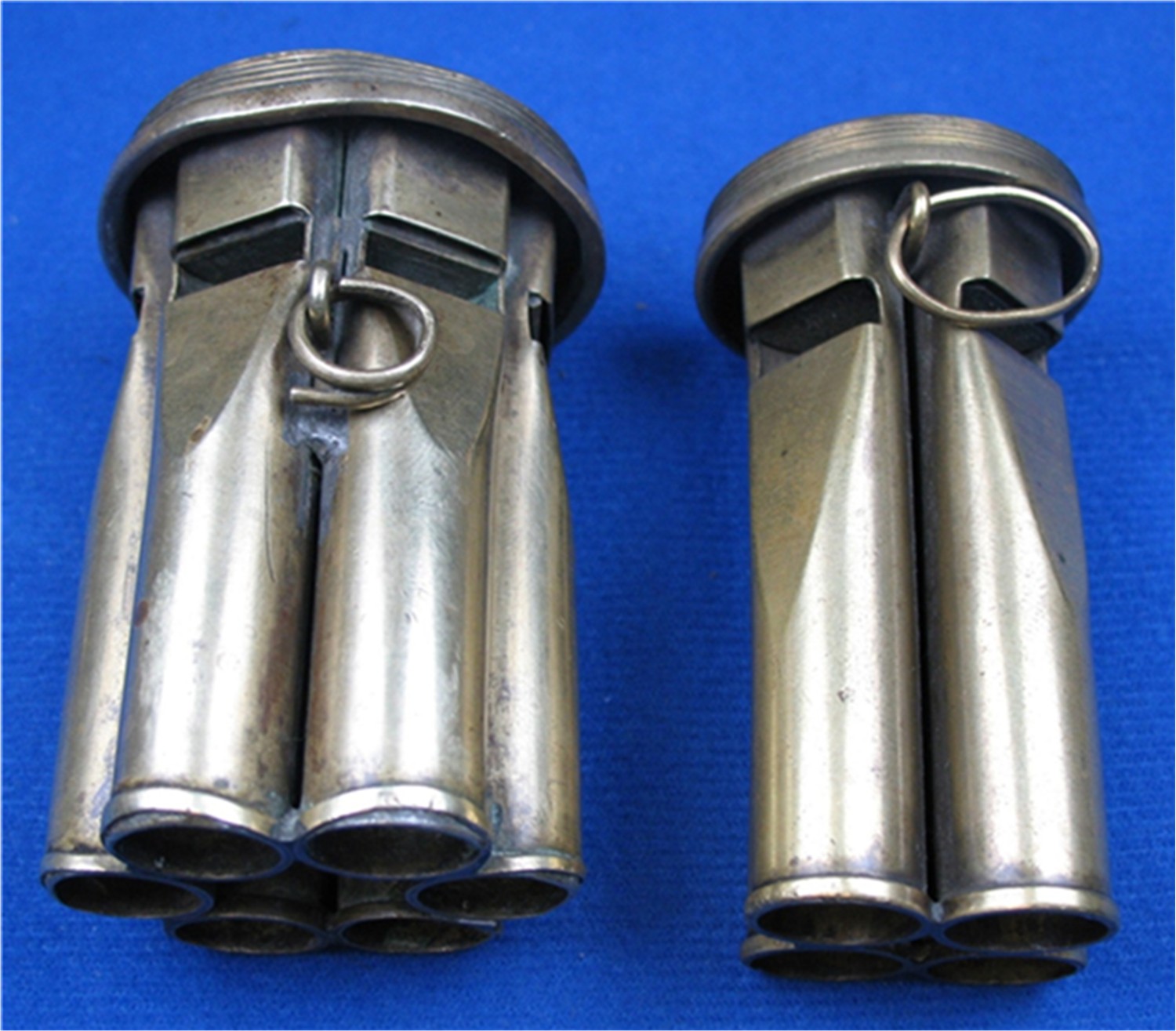
It was previously thought that 3 and 4 tube models of these whistles were the extent of this designer’s registration (originally registered in 1845.) Now we see that there are more wind instruments to discover. All three have the same registration dates on them, although it is indicated that Porteous was making them some years beforehand. This makes one wonder if there are other designs of possibly two tube or five tube?
Presented here are some comparisons pictures from the TWG Reference Collection….
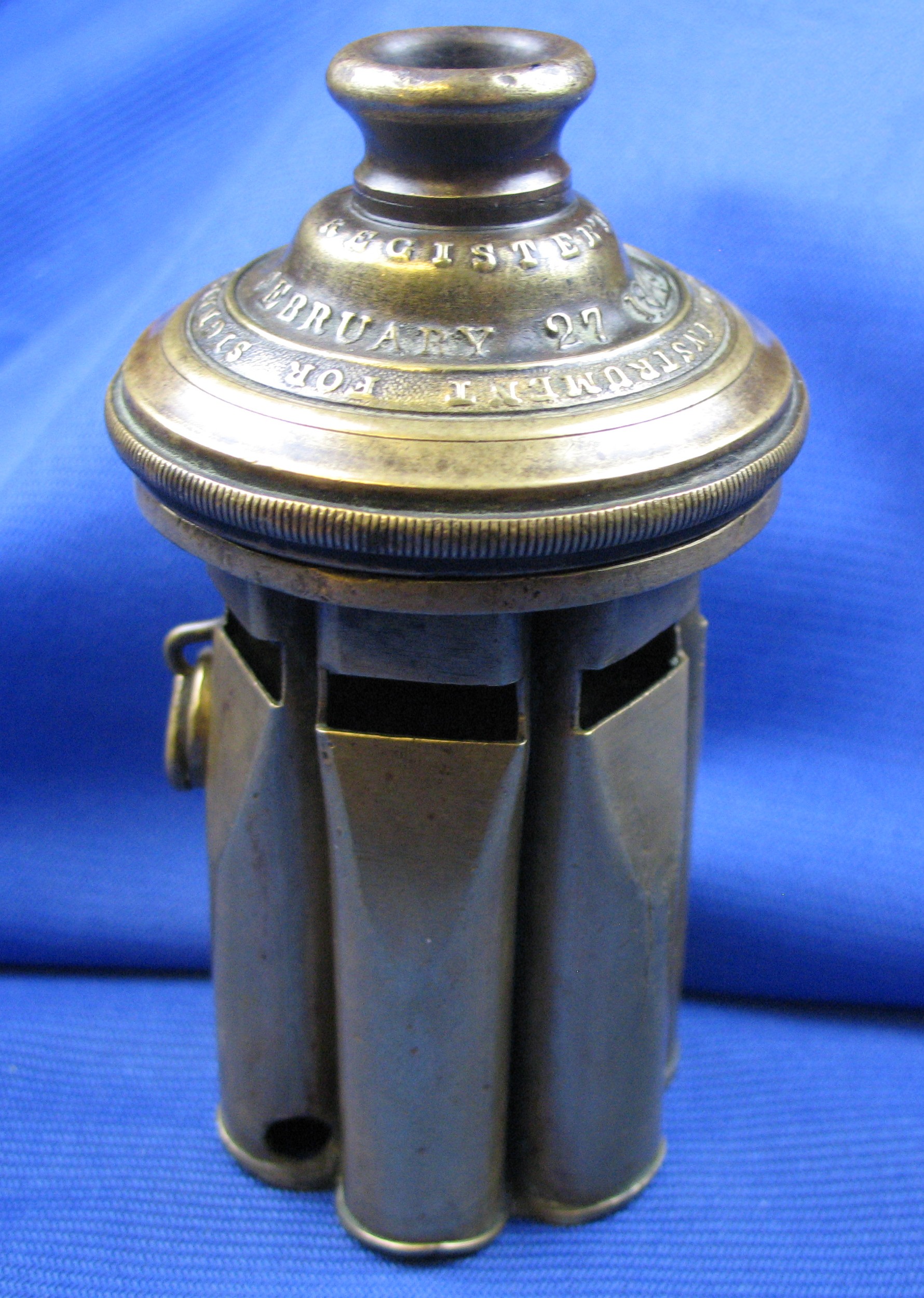
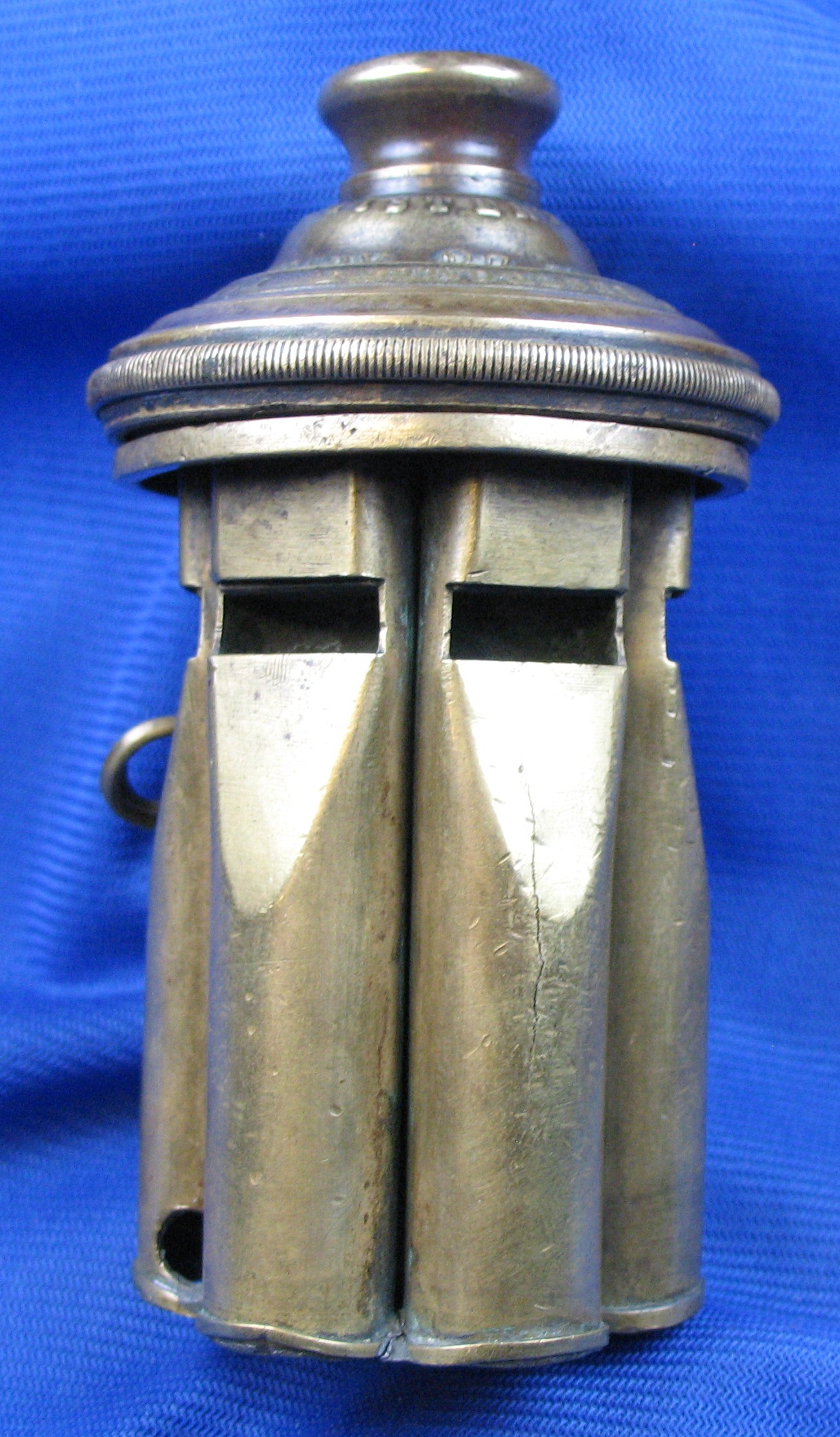
All three models now known have holes in one tube (for hanging? or sound?). The tops unscrew for cleaning the tubes and they are solid brass, with cast ornamental tops and solid brass bases.
The six tube is the same length as the more common, relatively speaking, three and four tube models. In a coming article it will be shown the different sizes. All utilize the same materials and are entirely made of brass.
The tops are (ornamentally) cast, and their bases are cast also, which then take quite a bit of shaving and fitting. Still, even after much work the threads on them are on so large a piece that they are rough fitting, and one must be careful when threading them on.
Now let’s look at the tubes from the bottom.
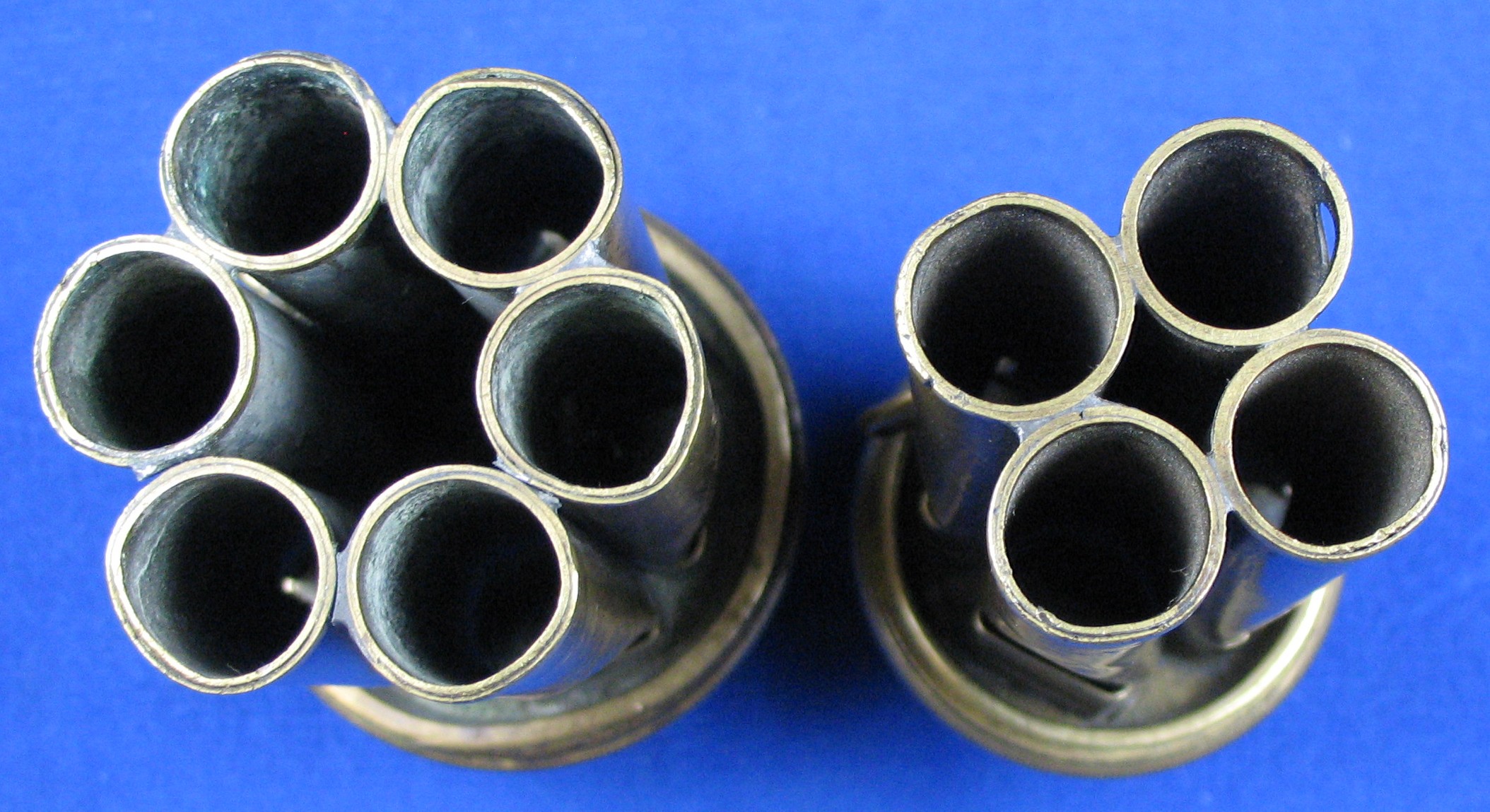
We note all the work that went into not only construction, but also the details of the top casting.
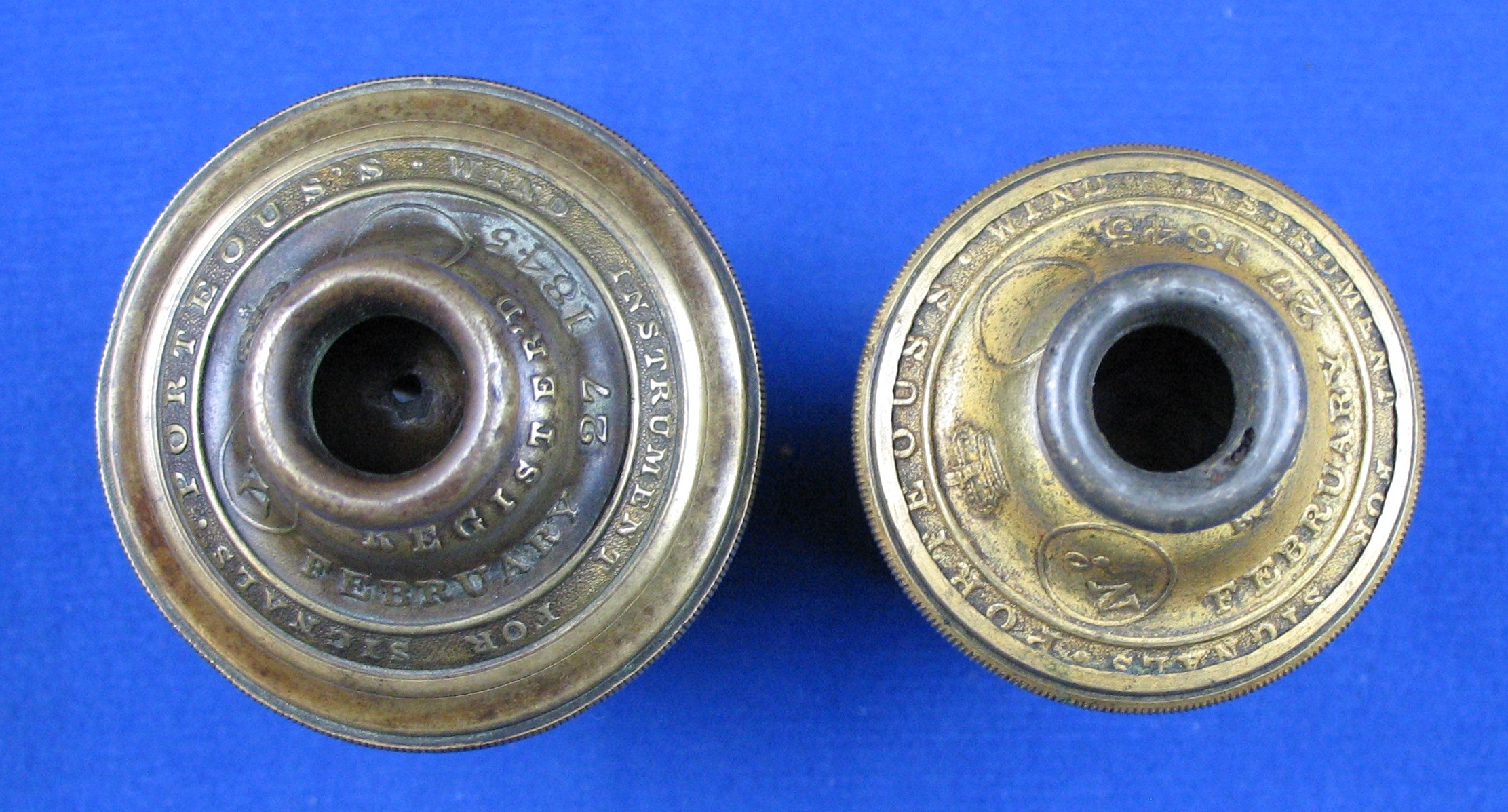
The venting through the top had to be entirely reworked from the 3 and 4 tube designs …
You can see the planning and execution involved. Marketing such large whistles must have been difficult. Nothing is found that compares to the 1840s in quality, design, size and versatility, yet at the same time these are very cumbersome whistles.
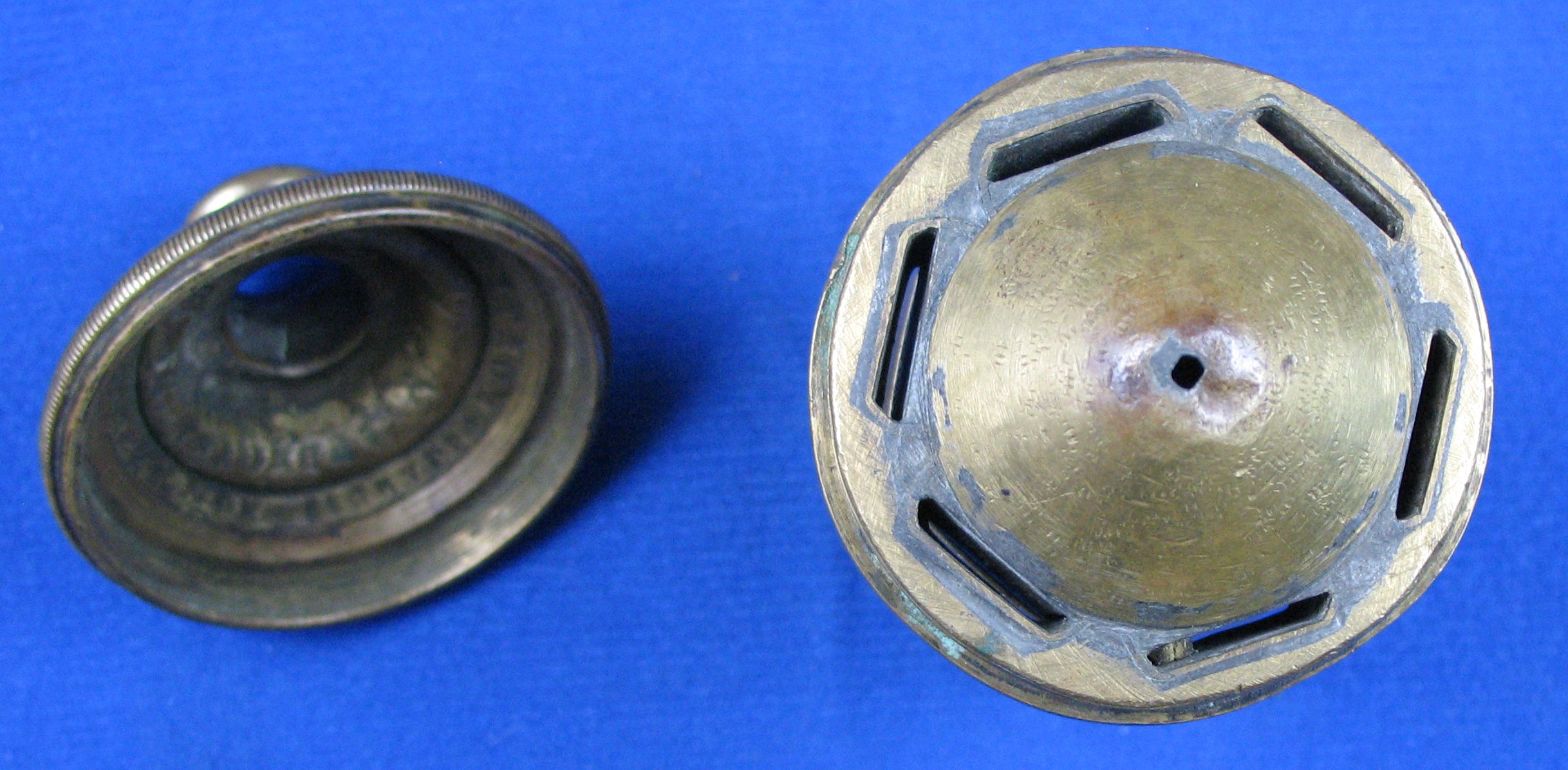
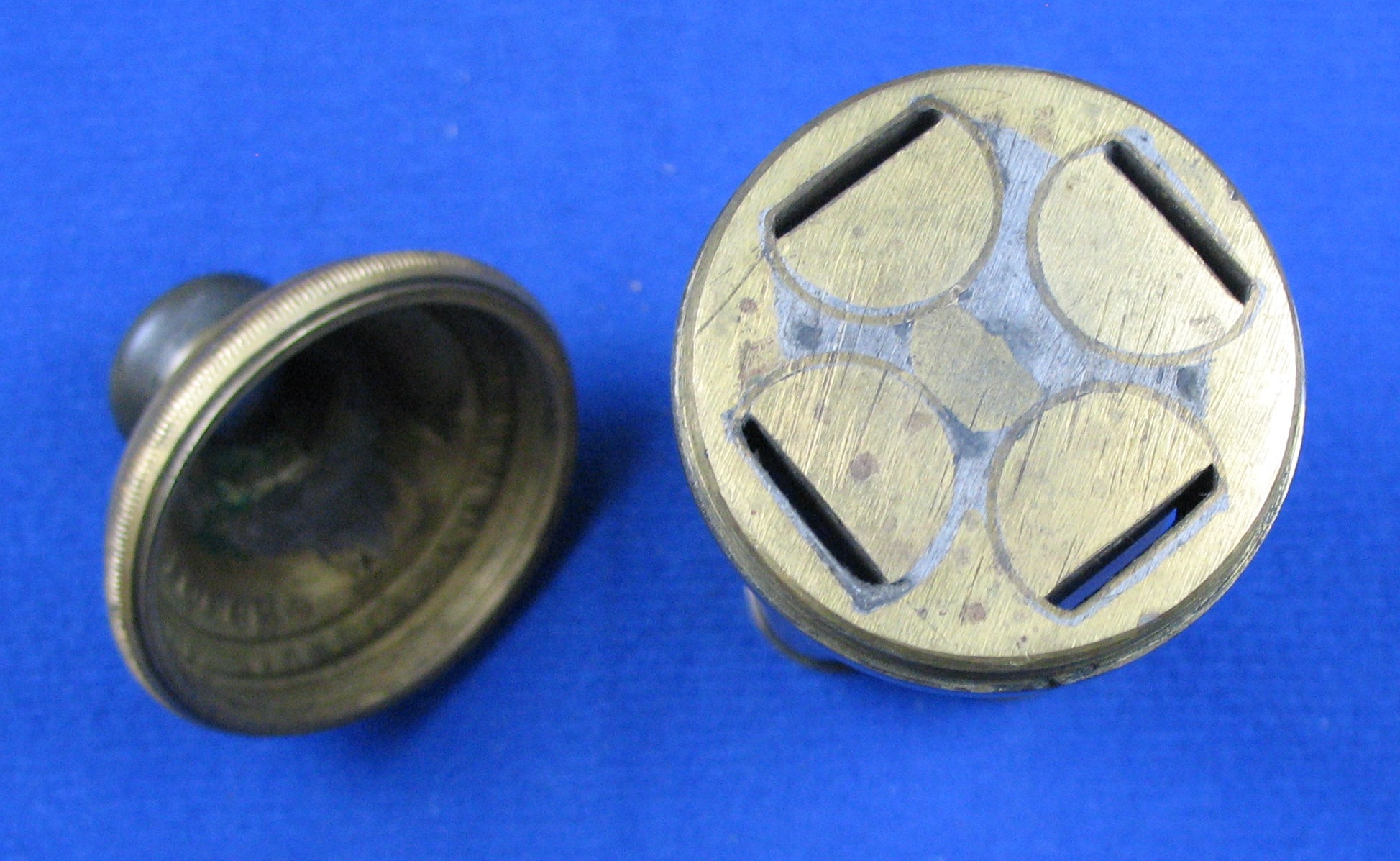
With the center portion came a completely different approach to the interior design, venting the air flow of the 3 and 4 tubes, which also changed all the machine work and production. The top is larger of course due to the extra two tubes now incorporated.
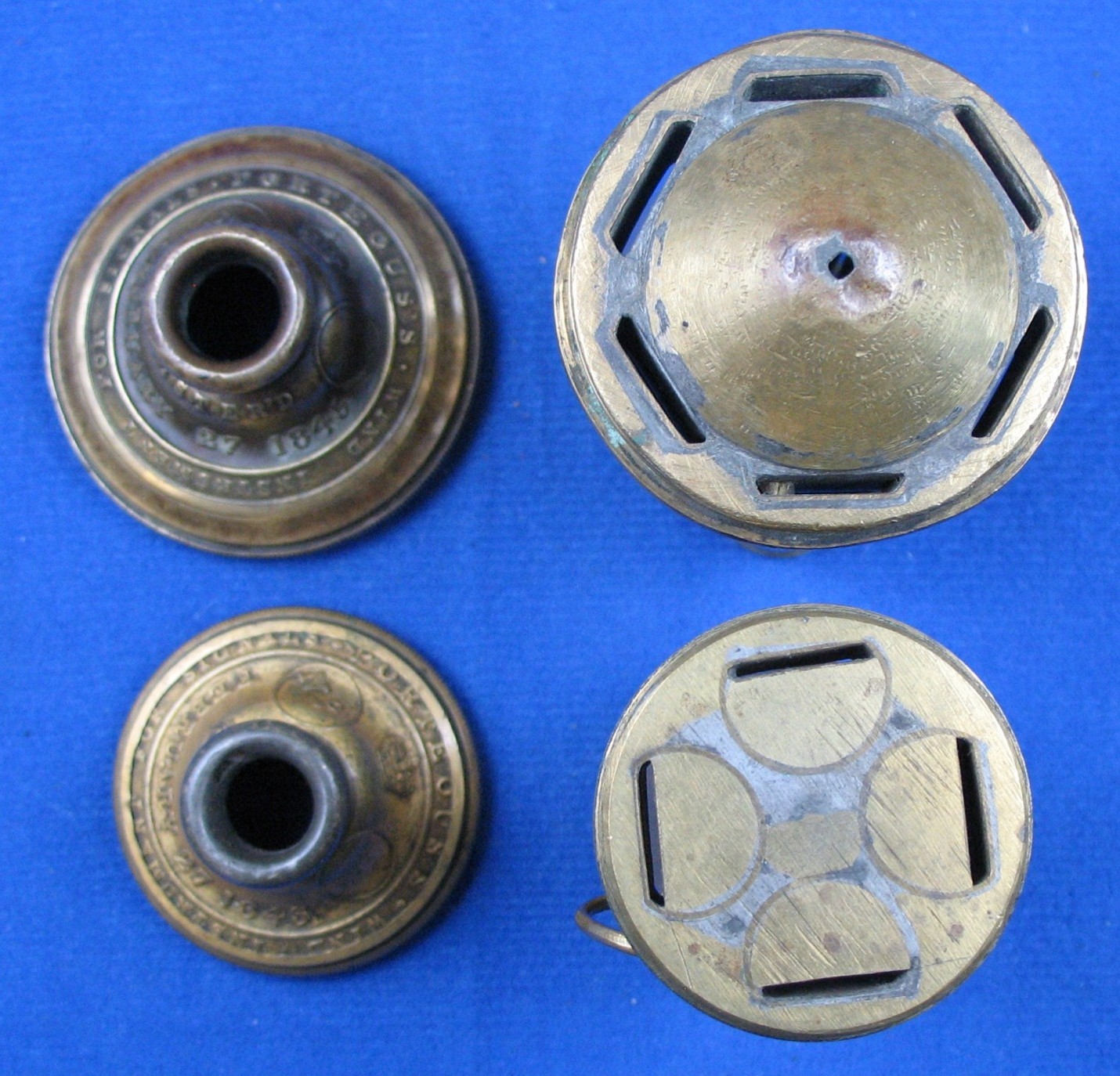
Conclusions:
A verified association of Stevens and Son by 1848. A monotypic 6-tube whistle circa 1845 of a previously unknown model with 6 tubes, previously only 3- and 4-tube models known. This whistle as of this revision appears to be still monotypical, and furthermore, a revised design from previously known models of interior structure.
TWG
Posted May 21, 2013
Revised August 21, 2020
Revised October 11, 2020
Revised February 12, 2021
Revised December 30, 2021
Revised February 13, 2022
Revised February 23, 2025
Revised March 27, 2025
Revised December 2, 2025
Revised June 10, 2026
Bibliography:
- TWG Reference Collection
- The Whistle Gallery Archives
- Collecting Police Whistles and Similar Types, by Martyn Gilchrist and Simon Topman, 1998.
- More Whistles, Martyn Gilchrist, 2005.
- Porteous’s Newly-Invented Field Pipe, 1834
- Dog Breaking – Hutchinson 1st edition, 1848
© – All photos with blue background property of The Whistle Gallery reference collection. Please contact The Whistle Gallery for permission of use of any website content. Spotlight articles are copyrighted. Please contact The Whistle Gallery for permission of use of any website or Spotlight article material written or otherwise. Use of photos without authorization is prohibited.


 Users This Month : 323
 Total views : 176232