Whistle Catalogs
Home > Whistle Books, Catalogs & Collections > Whistle Catalogs
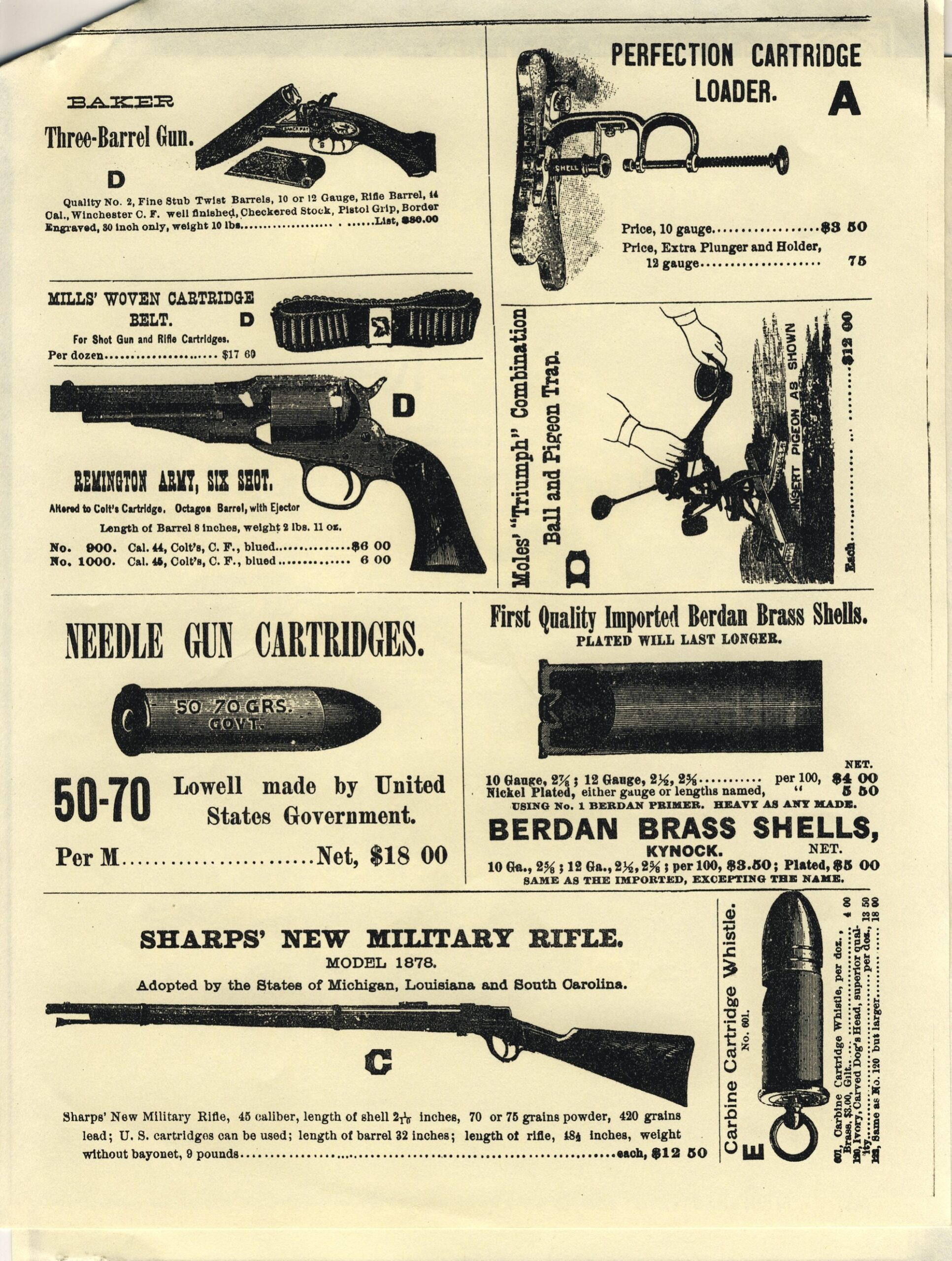
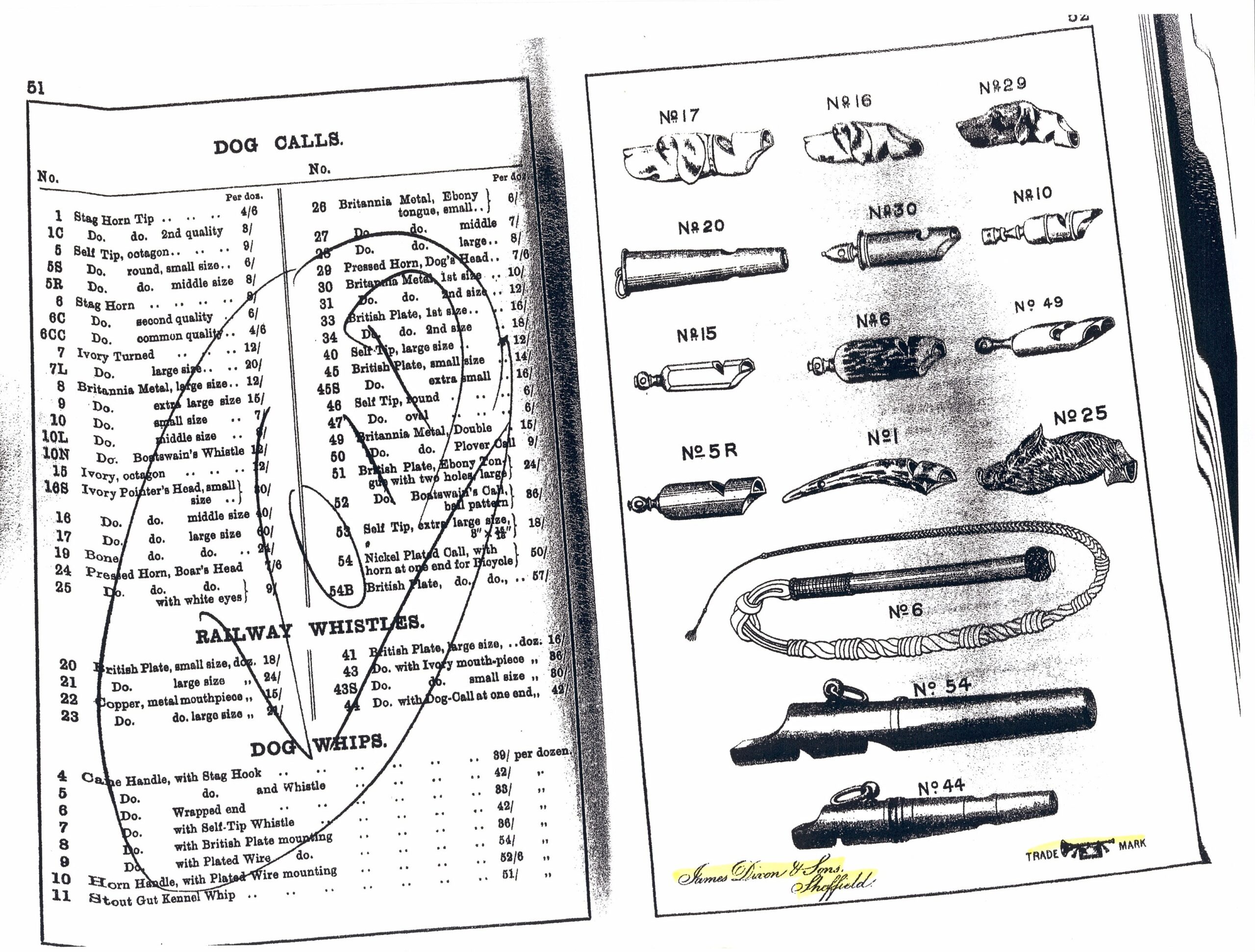
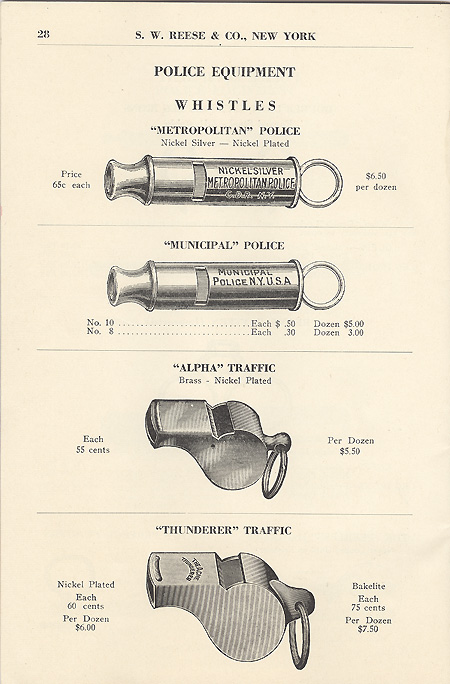
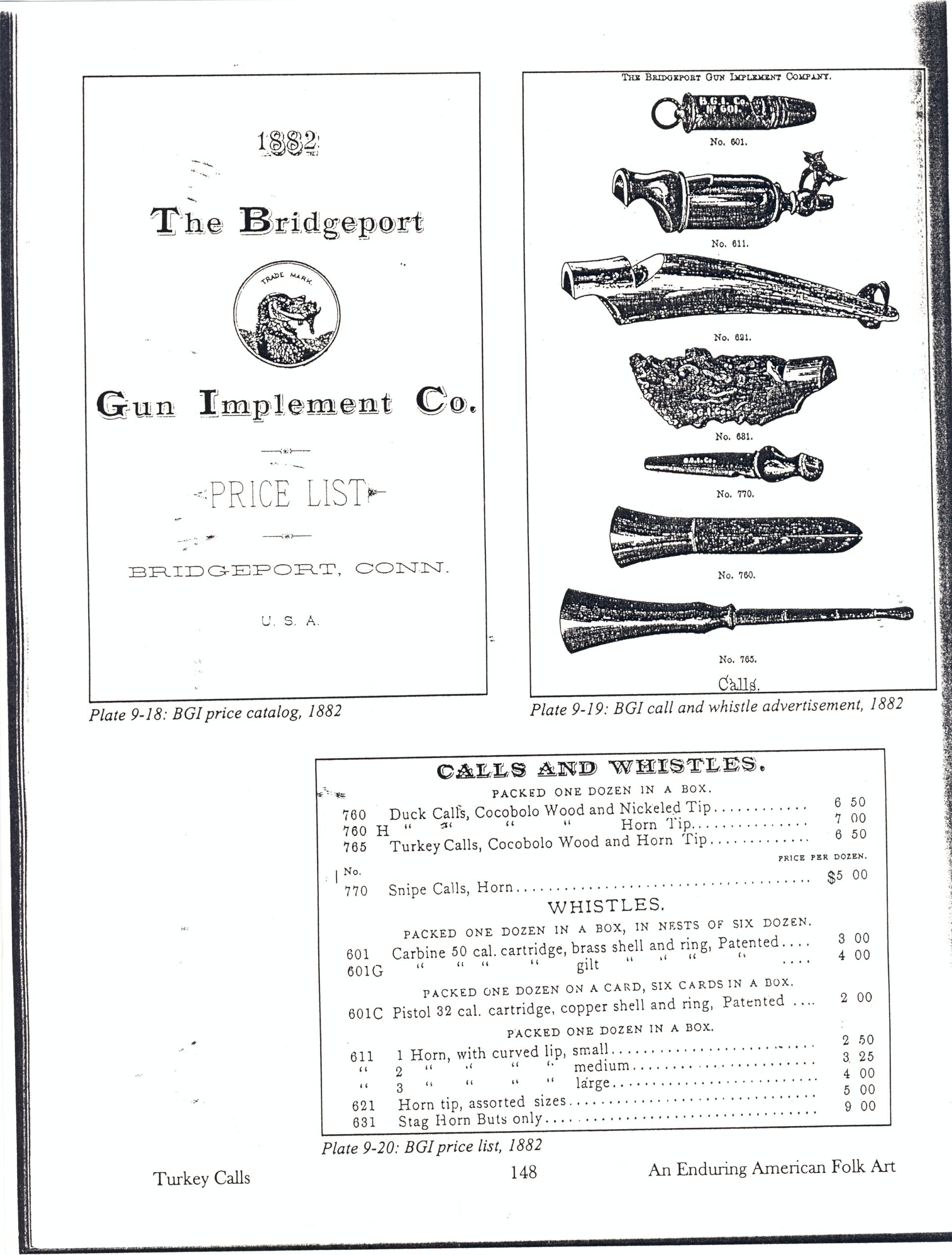
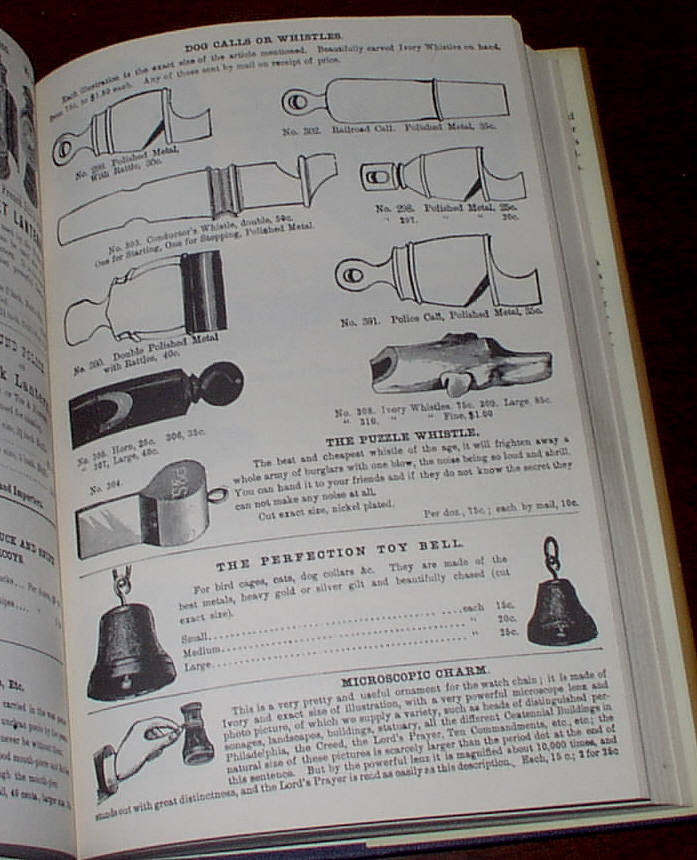
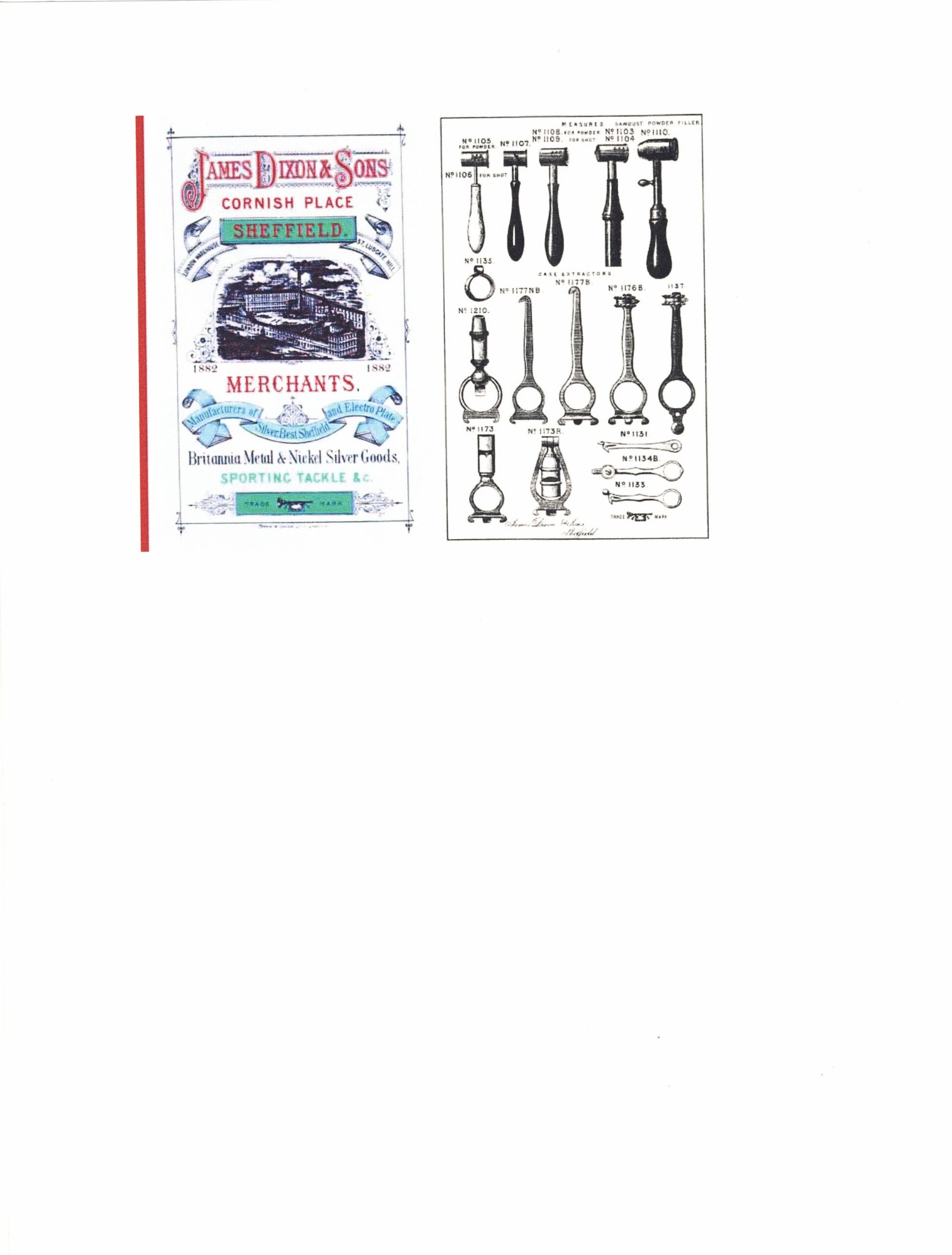
Finding whistle catalogs has always been difficult—but for serious whistle research, they’re essential. This folder is dedicated to advertisements and catalog pages from manufacturers and distributors.
It can take years to build a library of books, and even longer to track down catalogs (along with patent and registration pages). For organization, we generally divide materials into two groups: single pages and multi-page booklets/pamphlets. You’ll find content from major distributors, manufacturer-distributors, and individual makers (such as Hudson).
Complicating things further, any manufacturer might distribute another maker’s product. Model numbers can also be confusing: the same whistle may carry different numbers depending on who sold it, and many makers copied or closely imitated other makers’ designs. Another common frustration is that catalogs sometimes reuse older photos of whistles that were no longer in production at the time of publication.
So—is it worth the trouble? Absolutely. A maker may have a dozen known whistles, and then a newly discovered catalog surfaces showing another dozen—some matching examples already in collections, and others that haven’t been seen at all. Catalogs can be an extraordinary source of knowledge.
The downside is that collectors don’t often share catalog pages. For example, Alfred DeCourcy is a well-known maker and catalogs are believed to exist, yet few (if any) have been publicly seen. The same is true for B. Lilly and others.
In short, this section is a growing archive of advertising images and descriptions of whistles and related products. Catalogs can reveal a maker’s location, help narrow down dates, and provide context that’s hard to find elsewhere. That said, caution is always needed—some manufacturers reused the same drawings or photos for years.
Alongside catalogs, we will also post trade journal references, country-specific registrations, and patent information. U.S. patents are relatively easy to locate via Google, but U.K. and other European records can be much harder to navigate. As we obtain these materials, we’ll add them here.
Catalogs often list model numbers—or at least one number with references to others—which helps guide what to look for. Some whistles appear in catalogs that have not yet surfaced in collections. One example is an Alfred DeCourcy siren (shown below). We likely would not have known it existed without a catalog excerpt—and when one finally appeared, it was quickly identified.
It might be tempting to keep this kind of information private, but we believe the opposite approach benefits everyone: the more that’s known, the more that will come to light. If you can contribute scans, photos, or leads, please consider sending them in. Credit is always given to donors, and we will follow up on any promising leads.
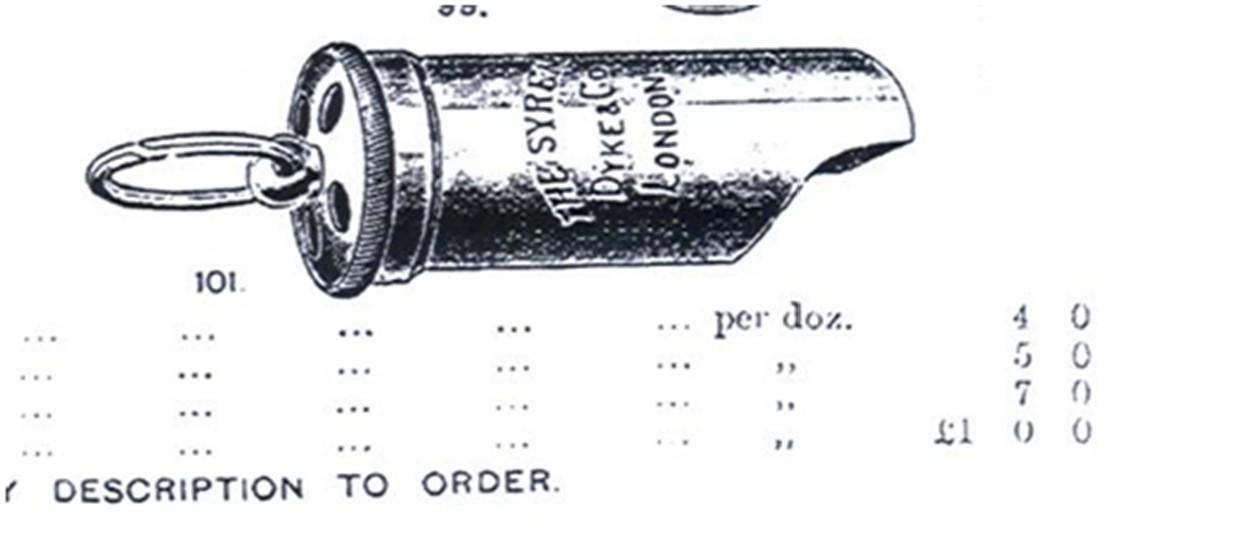
Examples of Whistle Catalogs