Whistory
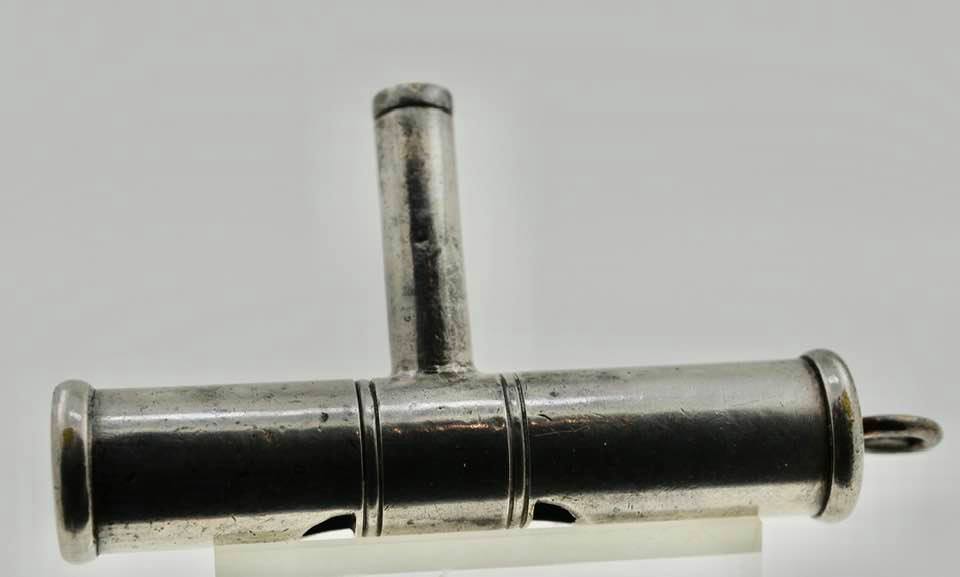
The ‘plural’ (originally called the ‘double’) whistle is a remarkable departure from the classic tubular type construction and window placement.
Why is the plural whistle is significant?
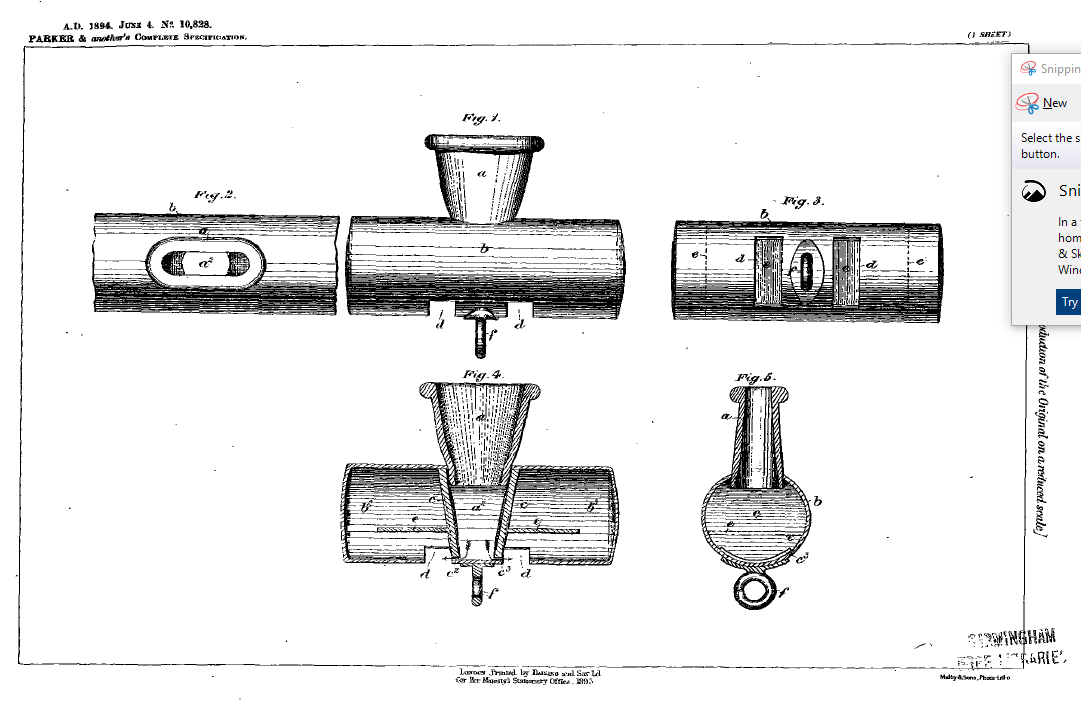
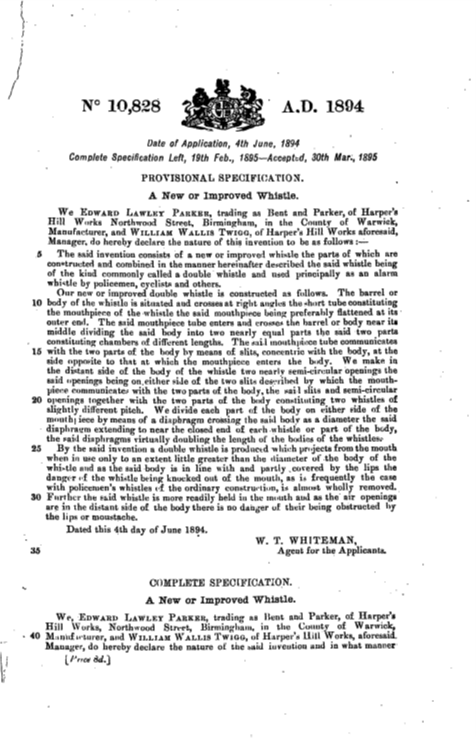
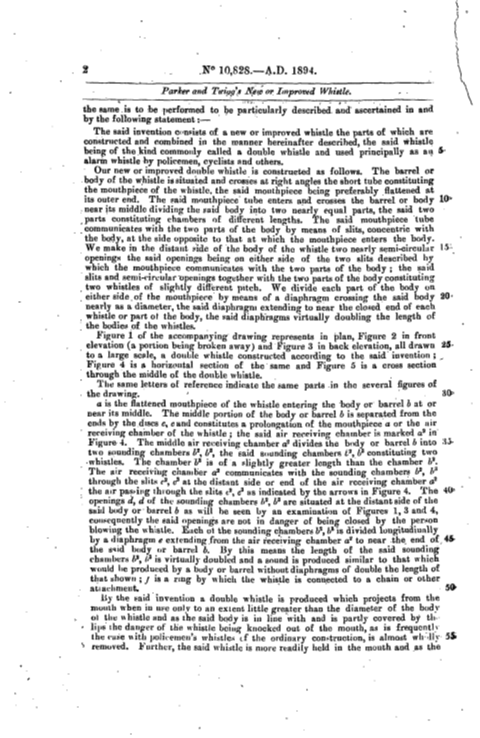
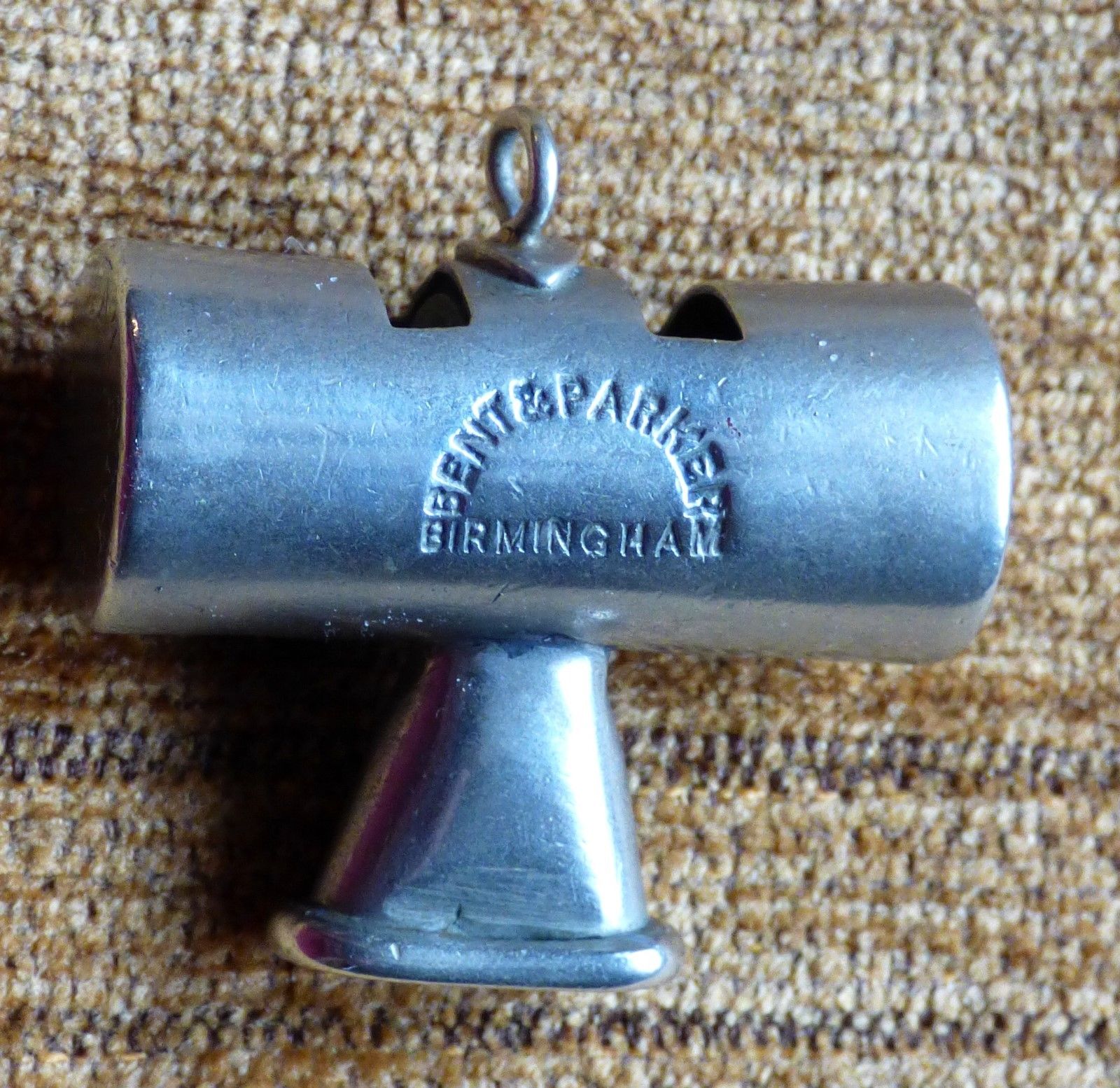
In this model design, the windows are placed perpendicularly to the mouthpiece. It was first designed by Edward Lawley Parker for Bent and Parker manufacturers in 1894. This was done in the peak or golden age of whistle making in Birmingham, UK.
What is striking about the design is the novel approach to the attachment of the cylinder and therefore the mouthpiece. The 2 diaphragms are placed in juxtaposition, thereafter, venting towards the center of the body. This was a simple, yet entirely new approach altogether.
Who is credited with pioneering the plural whistle?
Edward Parker is thereby credited with this new design, specifically patented and in conjunction with the manager William Wallis Twigs. This design was in addition to military, police, tubular, rounds and conicals.
It is only found by Bent and Parker in pure nickel silver, no other materials were used.
Whistle Classification
| Type | plural |
| Maker | Bent and Parker A.P. Hatch Joseph Hudson |
| Category | police civil |
| Material | nickel silver nickel plated brass |
| Features | perpendicular body |
Whistle Archaeology
1835 Joseph Bent (JJ Bent) established company
1863 Edward Lawley Parker joins – trading as Bent and Parker Ltd.
harpers Hill Works, Northwood St. St Paul’s Birmingham
Patent number 10828 1894 Edwrd Lawley Parker 31 year after joining Bent at the same location. In conjunction with William Wallis Twigg as manager ( he remained with Bent and Parker, patenting a razor
Known stamps
- The New Borough whistle
- Police
- Bent and Parker
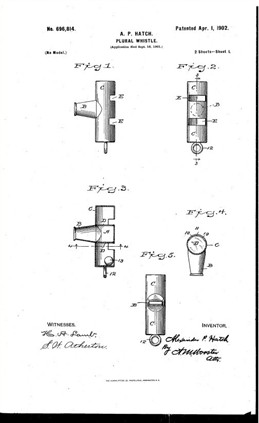
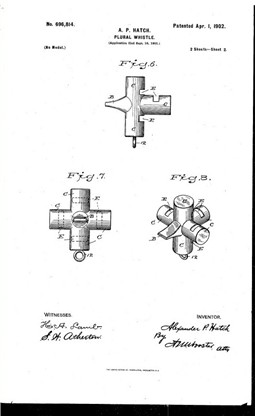
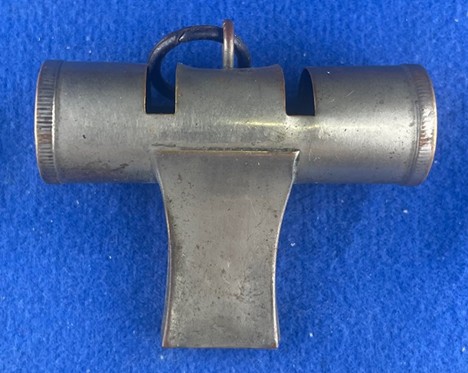
Within 8 years comes a patent by A.P. Hatch from the USA dated April 1, 1902. He held another patent for a tubular whistle, but again here we step away from conventional whistle design. The materials are much less quality, but sturdy.
Remarkably he designed single, double, and triple note plural construction. A search continues to find these prototypes.
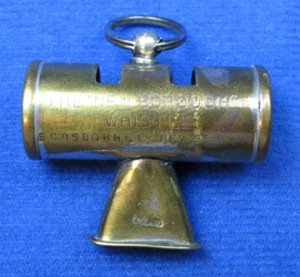
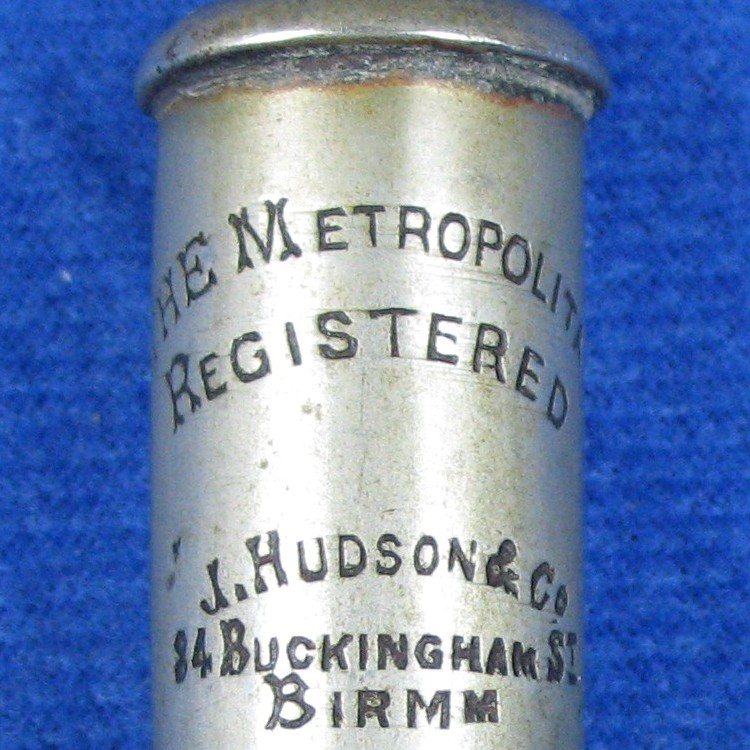
Hudson and Co. came out with their own model # 513 and it is pictured in their 1935 catalog. How much earlier is unknown just yet, — saying it was specially designed for ladies handbags. However it follows the Bent and Parker design with minor variations.
The stamp is Osborne ltd. New St. B,ham with the addition of England stamped on the mouthpiece. The ends are soldered on as caps and it is made of plated brass instead of nickel silver. There is also a top round knop as opposed to the small ring on top of a very small escutcheon. A higher pitch is achieved with the Hudson and the sound is closer together, the B&P making a lower well separated dual tone. We would say the Bent and Parker was very well crafted.
Whistology
Originally, we saw Bent and Parker’s patented design. Perpendicular to the mouthpiece and as can be seen split exits of air.
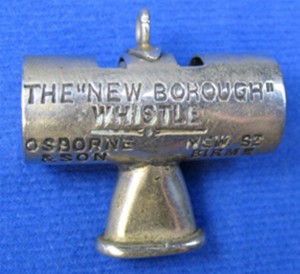
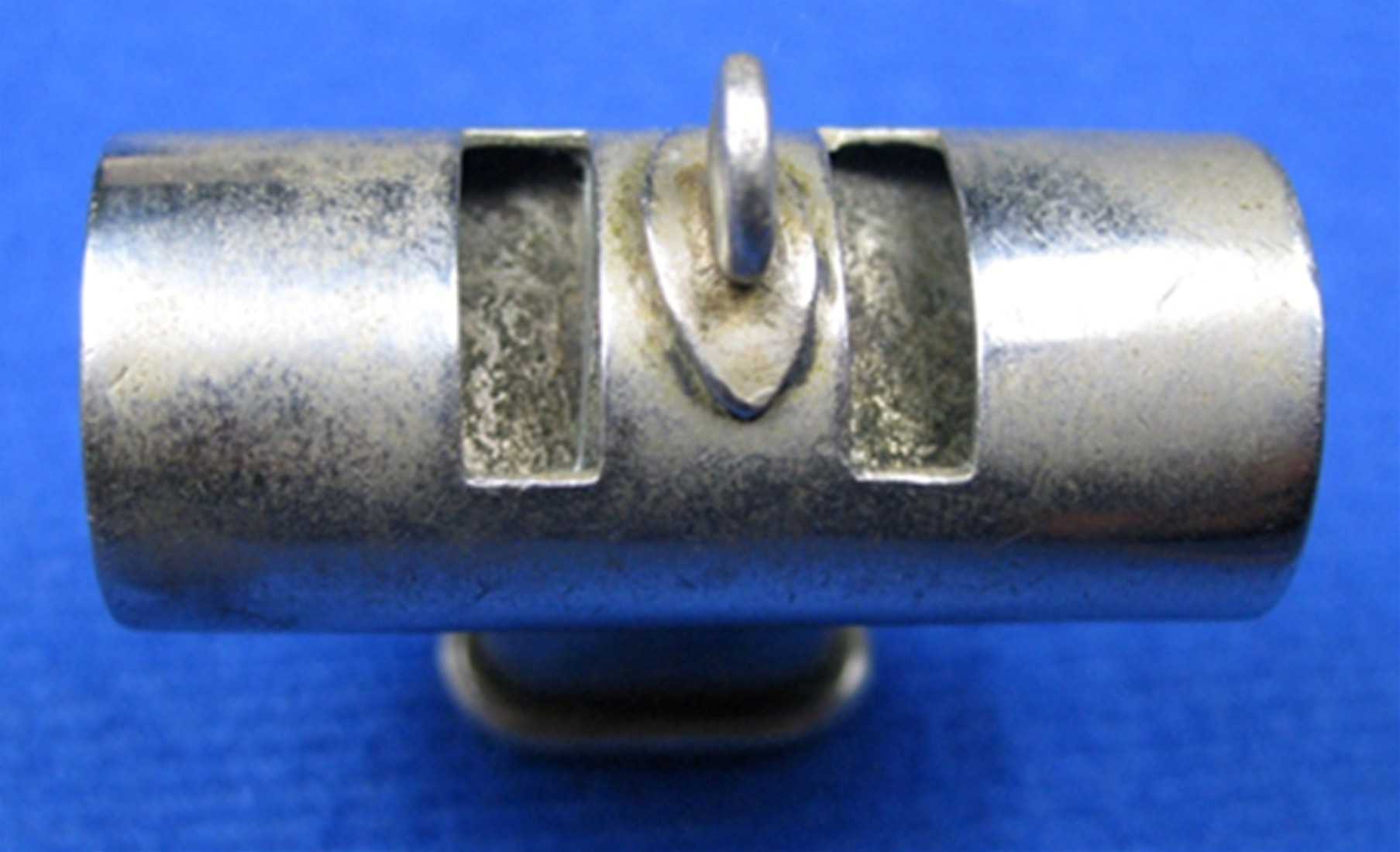
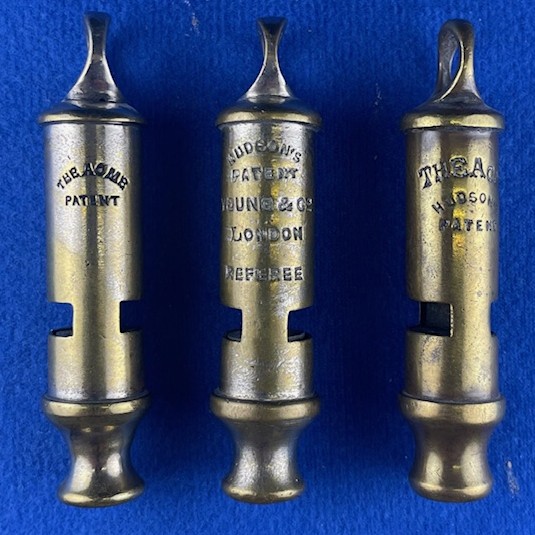
The following is the 2nd known stamp issued for police use.
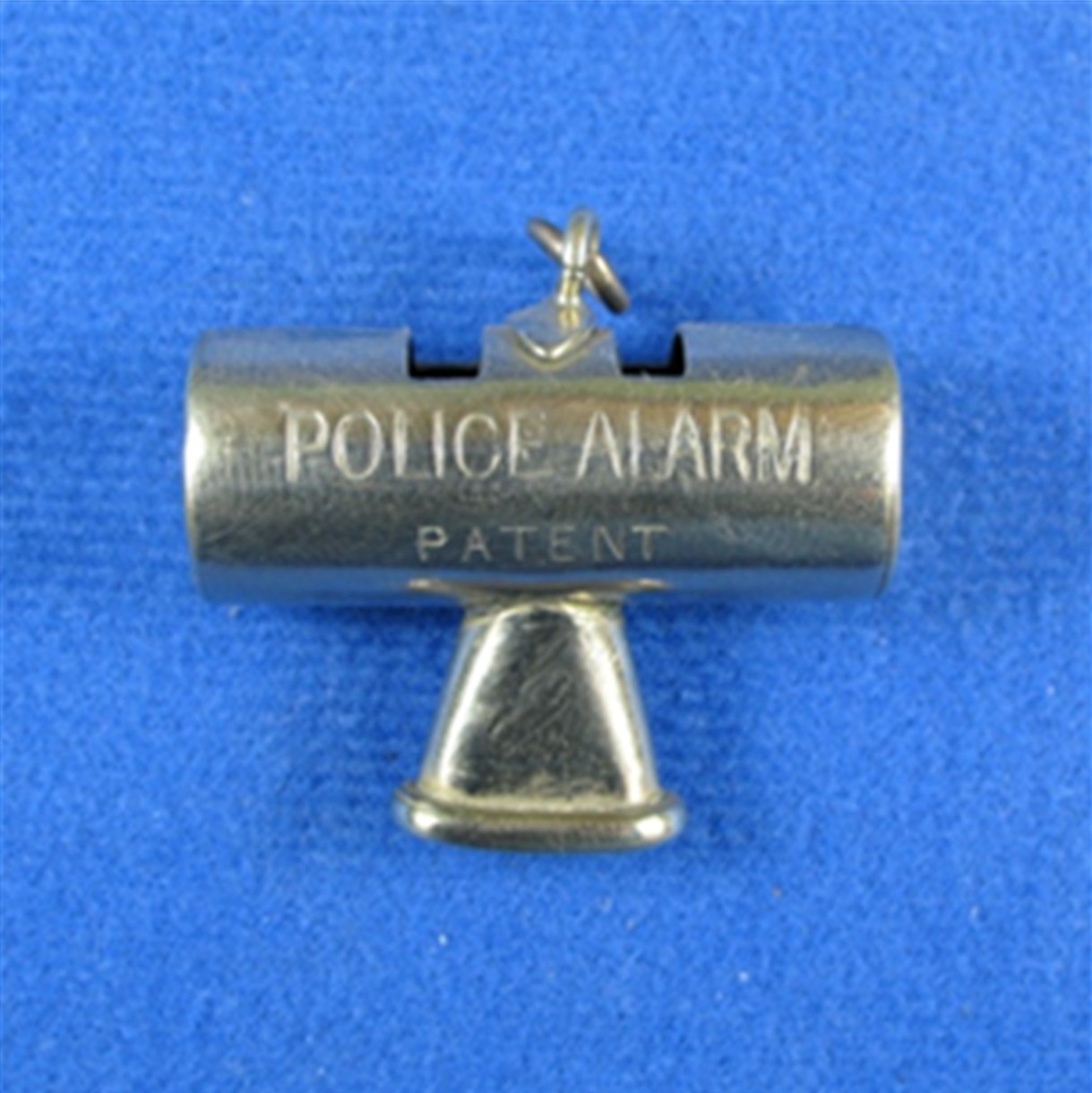
And a 3rd stamp for Bent and Parker.
Late 19th century comes Hatch’s model made for cycling in the USA. It is larger, but lighter in construction.
Then comes in time Hudson’s model, with end caps and top knop.
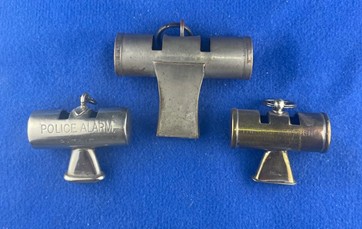
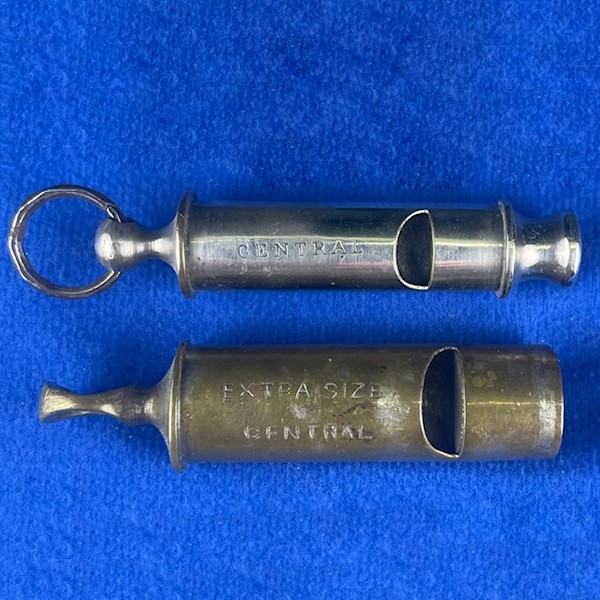
Lastly a comparison for size.
An unusual German model utilizing the same concept.
Conclusions:
Here we see an approach unlike any other whistles of their day.
Thinking outside the box has lent to greater creativity.
Whistle design can vary tremendously and still achieve good sound. At the same time, esthetics can also be maintained if not improved.
TWG
Posted February 1, 2013
Revised May 19, 2018
Revised October 10, 2020
Revised February 23, 2021
Revised December 27, 2021
Revised January 30, 2022
Revised April 28, 2026
Bibliography:
- TWG Reference Collection
- The Whistle Gallery Archives
- Google Patents Search
- More Whistles, Martyn Gilchrist, 2005.
- Patent Records: Kew Garden
© – All photos with blue background property of The Whistle Gallery reference collection. Please contact The Whistle Gallery for permission of use of any website content. Spotlight articles are copyrighted. Please contact The Whistle Gallery for permission of use of any website or Spotlight article material written or otherwise. Use of photos without authorization is prohibited.


 Users This Month : 297
 Total views : 181676