Whistory
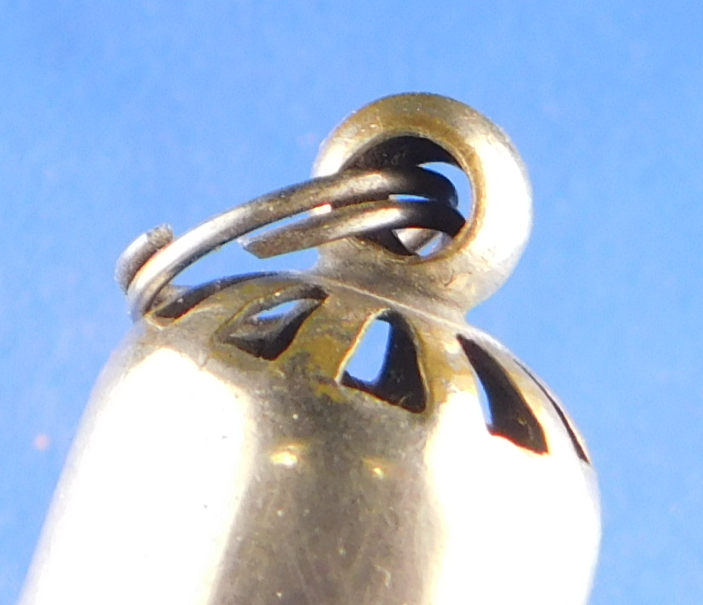
The ‘knop’ has been defined simply as an ornamental knob [this article will focus on a type, “hollow knops”]. Indeed, Martyn Gilchrist on page 79 of More Whistles states that a whistle knop is ‘An almost spherical top fitting above the top-cap, a knob.’
How have knops (and hollow knops) developed?
Aside from boatswain calls, ring & wire attachments to whistles, knops have been the predominant attachment point. Some whistles have been free hand without retention means at all, however the practice has been to retain the whistle by some means. Pillar tops have also been used frequently, especially with scout whistles.
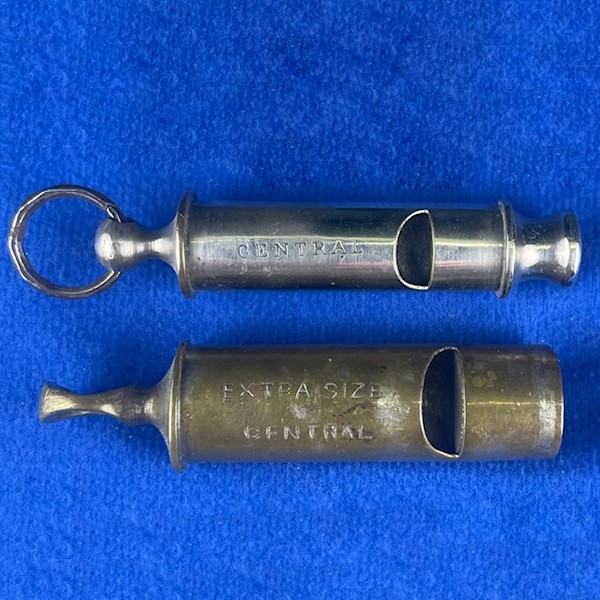
Knops have been used variously with tube shaped whistles, beaufort/conical whistles, escargot whistles (not button types), sirens, flat whistles, as well as many varietal whistles. The earliest knops were cast or turned as one piece on a lathe, eventually came to be cast separately and then attached to the top cap.
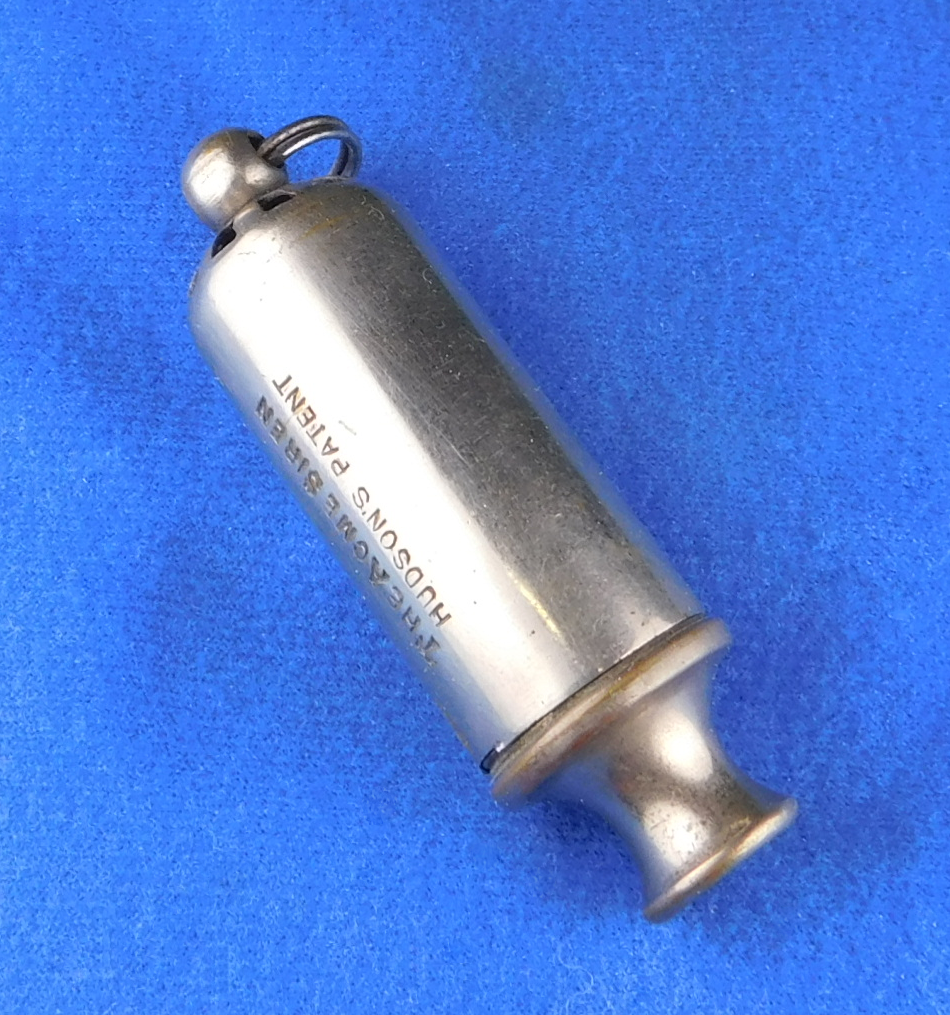
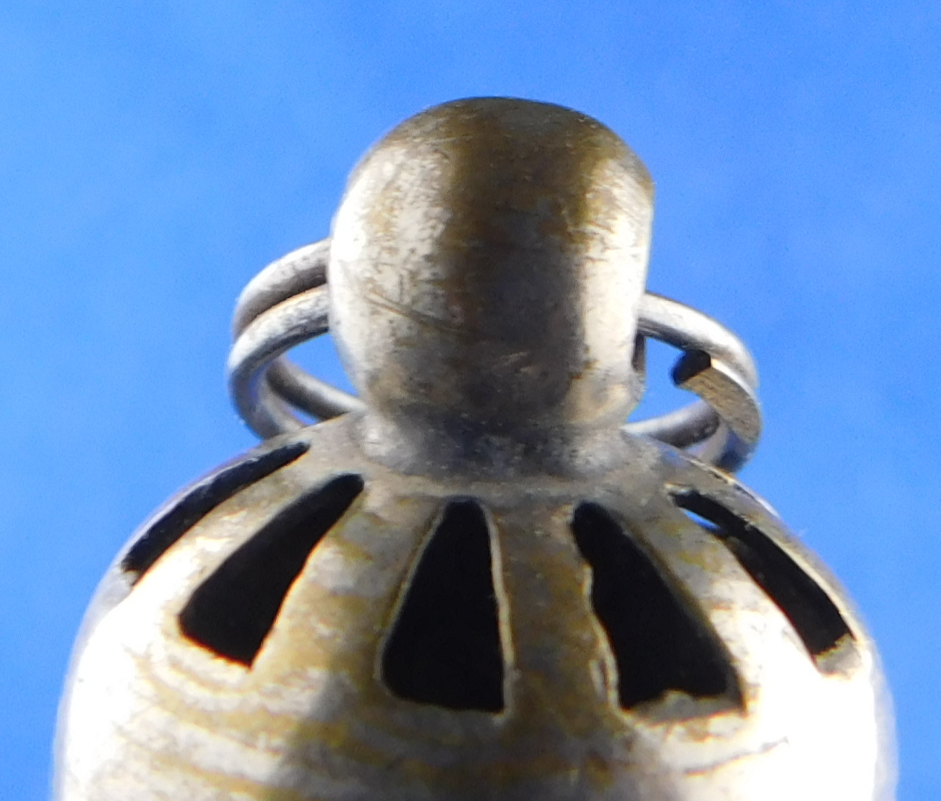
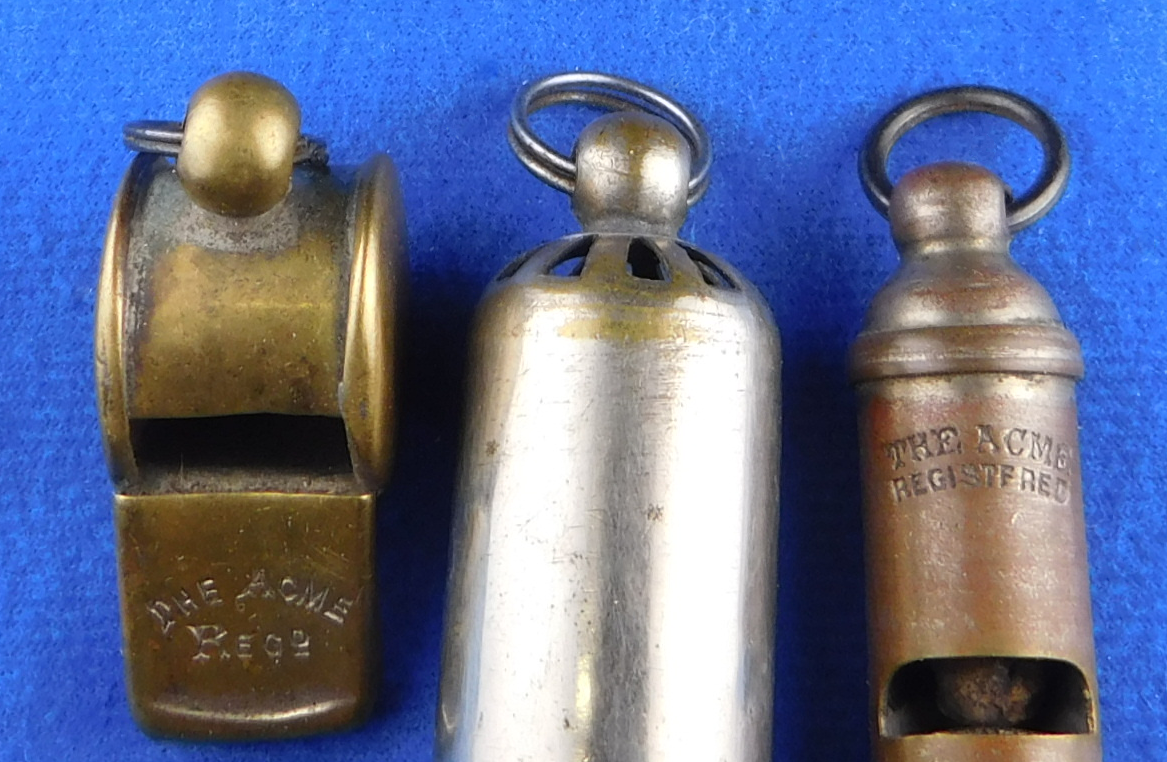
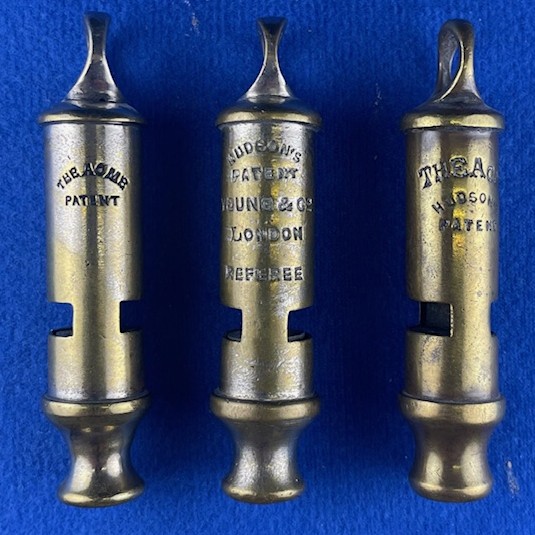
However, our focus is on the special use of hollow knops. These were very spherical attachment points that were not cast, but formed into an empty ball and then by soldering, attached to the top cap.
Who mainly used hollow knops?
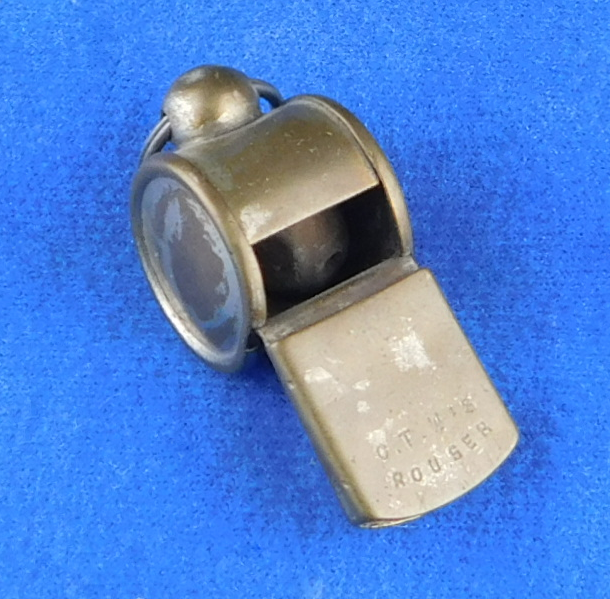
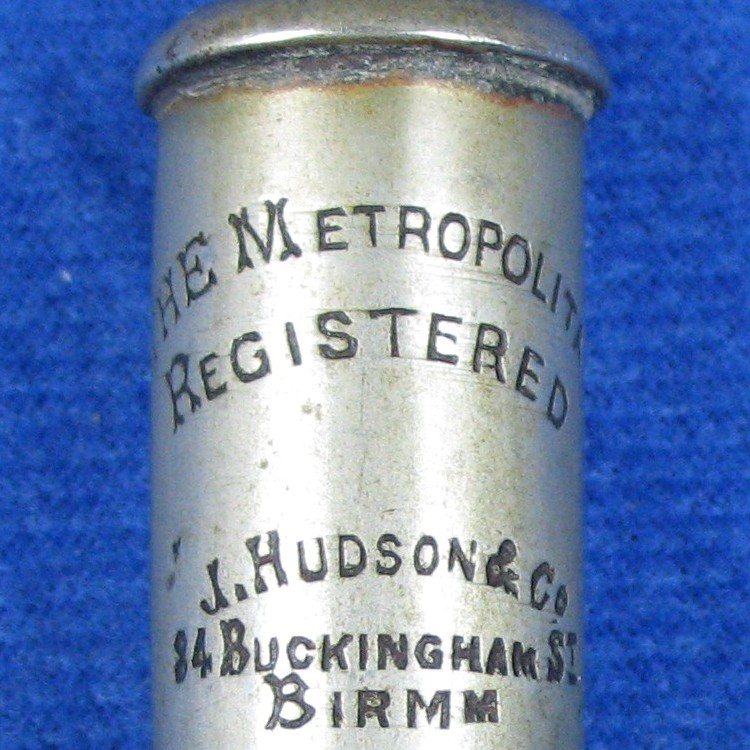
Joseph Hudson is credited with the development and almost exclusive use of this design/method. CT Willets’ Rouser escargot is the only known whistle that also utilized it, but during the early 1900s, after Hudson ceased. Gilchrist states this era as 1920s to 1930s.
The date range for Hudson is difficult to state accurately but appears to correspond to the year 1884 extending down to circa 1900, disappearing soon after. This corresponds to the earliest hollow knop being found on the registered design escargot stamped 230905 and finally found on ACME sirens patented 1895.
Hollow knops have been recorded on 7 types of metal whistles, 6 by Hudson and 1 by CT Willets.
Whistle Classification
| Category | metro/round round dual tube London escargot Glasgow escargot siren conical |
| Order | Hudson/Acme |
| Type | railway cycling civic |
| Class | nickel plated brass. brass |
Whistle Archeology
No patent or design information has been found for hollow knops.
Whistology
Circa 1885 patent 435 for the disc connections to the side walls by Hudson.
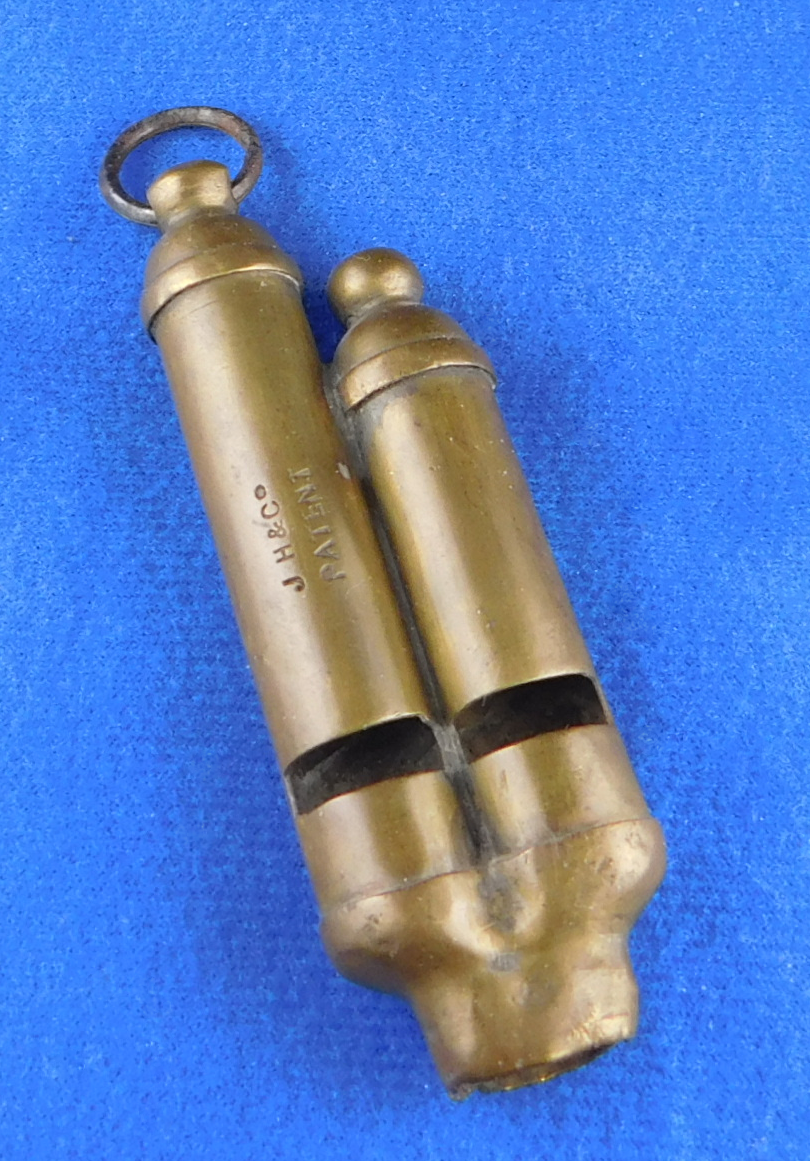
The earliest known escargot hollow knops c. 1886 registered trademark, the Acme.
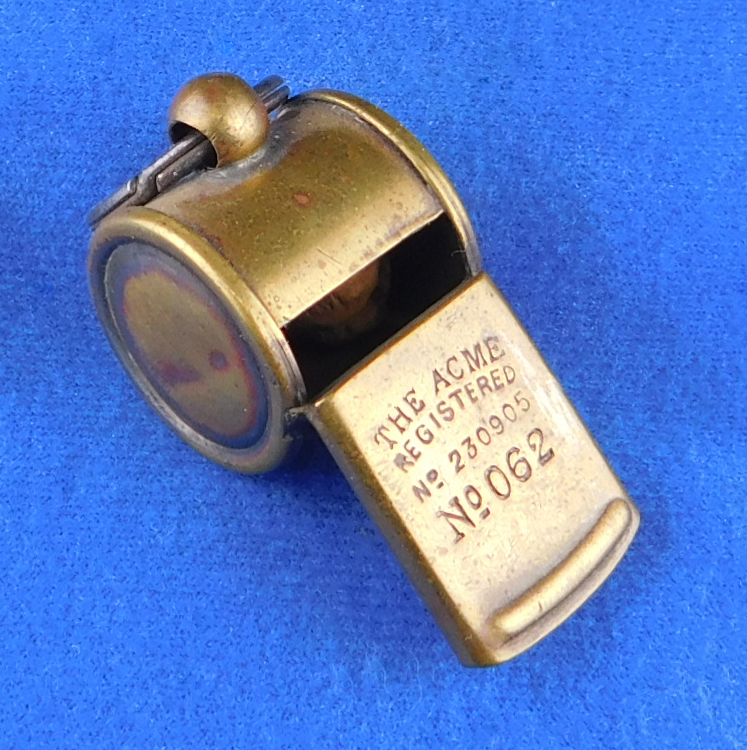
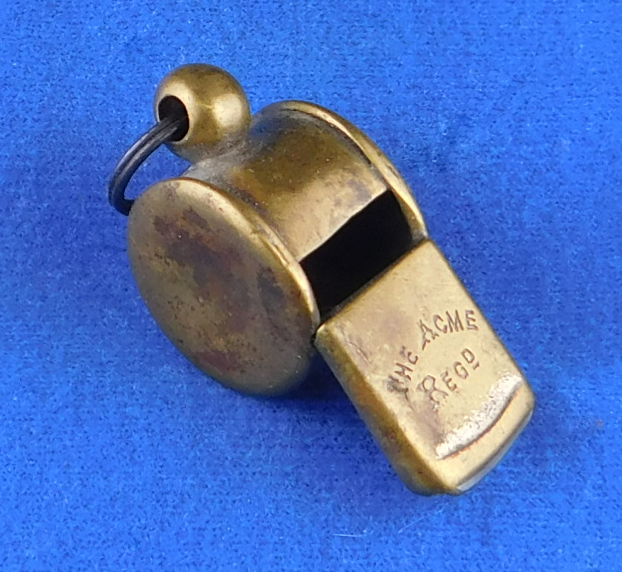
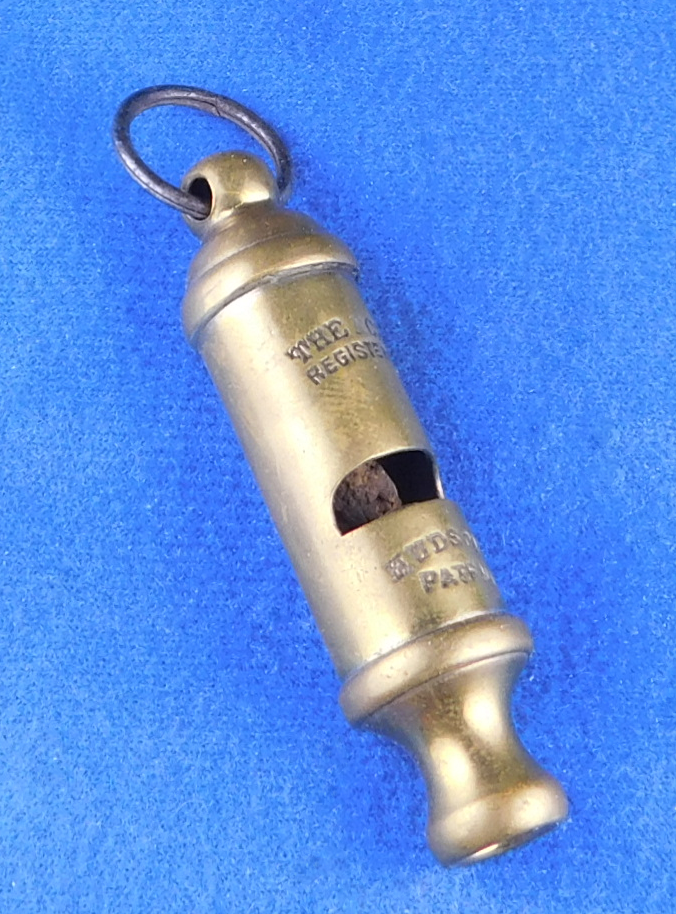
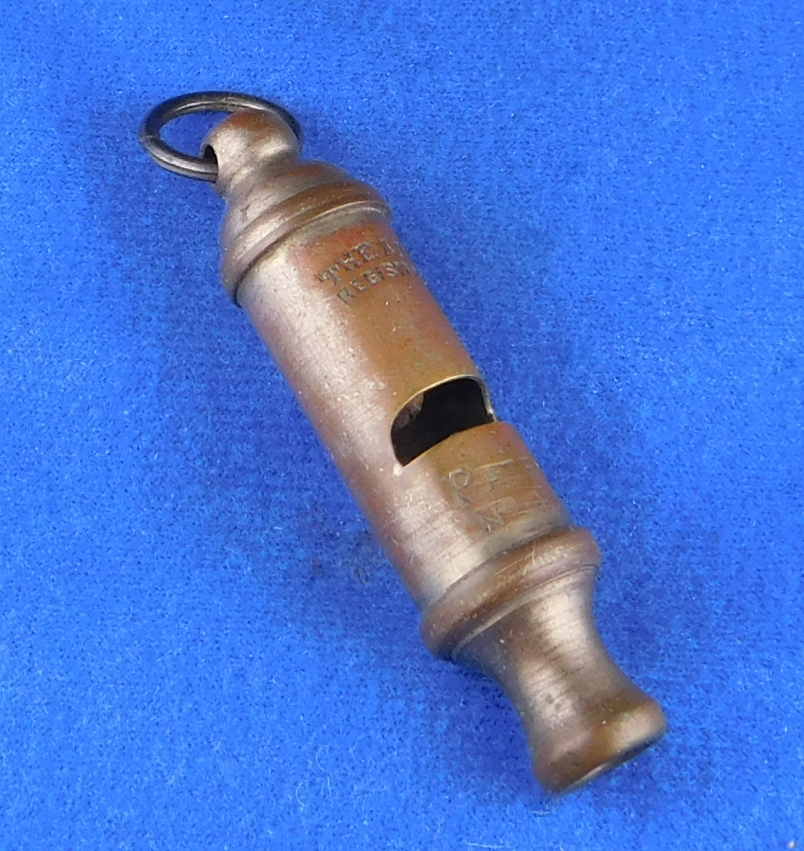
Hudson escargot made to the 1891 patent.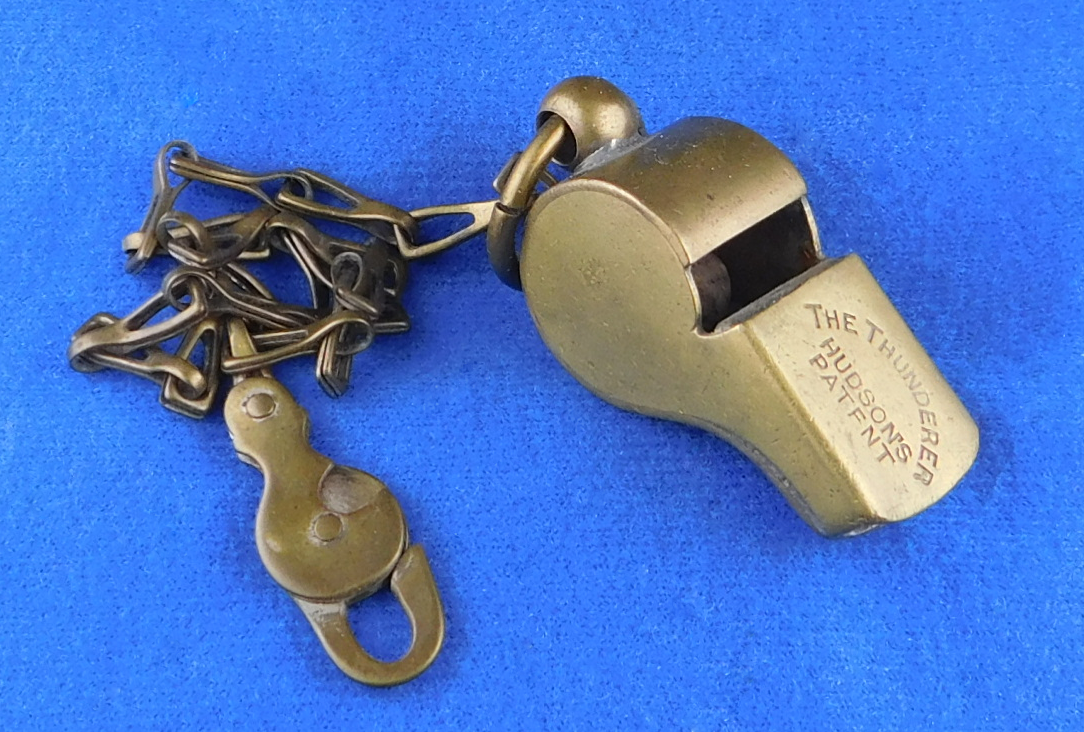
Circa 1895 patented case design by Hudson.
|
Conclusions
The innovations of Joseph Hudson (AKA ACME) led to applications of various top fittings of rings, wires, pillars, pressings and hollow knops.
While almost all-round knops were of cast parts at first and drilled, this gave way to experimenting with pressing. Eventually progressing to lathe turning. Predominantly Hudson (Acme) would be the one using and experimenting with this method, however there was never any kind of registered design or patent applied for.
TWG
Initial Research February 9, 2024
First Printing December 28, 2024
Edited April 10, 2025
Posted July 7, 2025
Bibliography
Oxford Languages
More Whistles. Gilchrist, Martyn
The Whistle Gallery Reference Collection
TWG Archives


 Users This Month : 3415
 Total views : 186044