Whistory
Police whistles are gaining popularity, and much attention is given to Metropolitan Police whistles. Deservedly so, as they have been categorized well, being numbered MP1-MP25 (Gilchrist) and with variations can be quite engaging to the collector.
However, information is wanting in the police whistles surrounding the Metropolitans and here is an effort to bring into focus that discussion.
What is a police whistle? Does any whistle qualify?
For research purposes we will be restricting the view of police whistles to those that have the following on the stamp —- from the manufacturer (and not stamped or engraved later).
Whistle Classification
| Type | tubular conical round escargot |
| Maker | various |
| Category | police |
| Material | nickel silver nickel plated brass nickel brass |
| Features |
Whistle Archeology
- Metropolitan Police (at first London, then merely coupled with specific forces)
- Constabulary (after constable)
- City (city name combined with force)
- County (county name combined with force)
- Burgh (same)
- Borough (same)
Typically these whistles were not available to the public in the UK. They were issued to the police by the specific forces. This kind of stamping are rarely found in other countries police forces.
In addition, there are associated titles aimed at the general police market, but not as customized, such as:
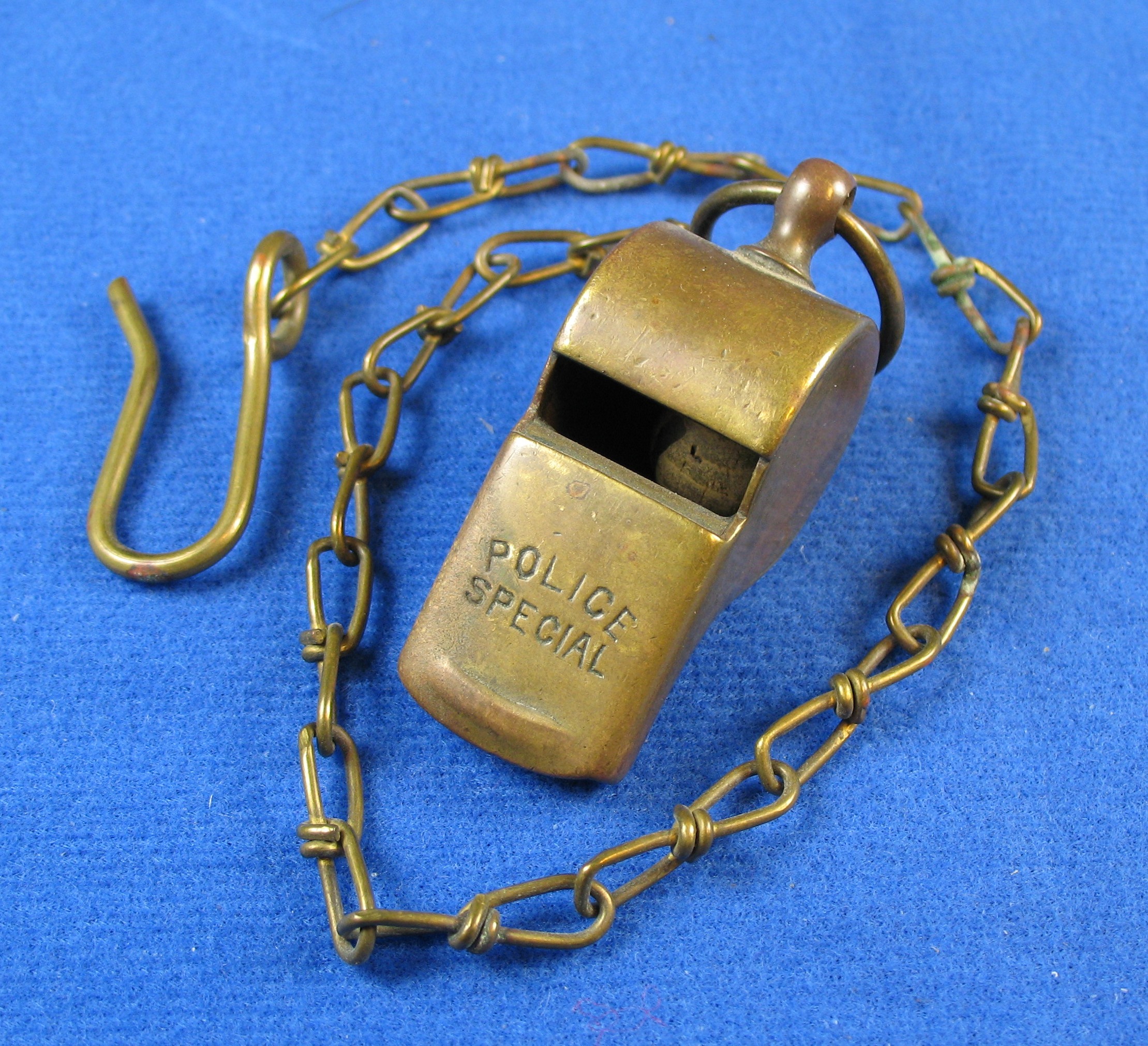
- police special
- police – fire
- Municipal police
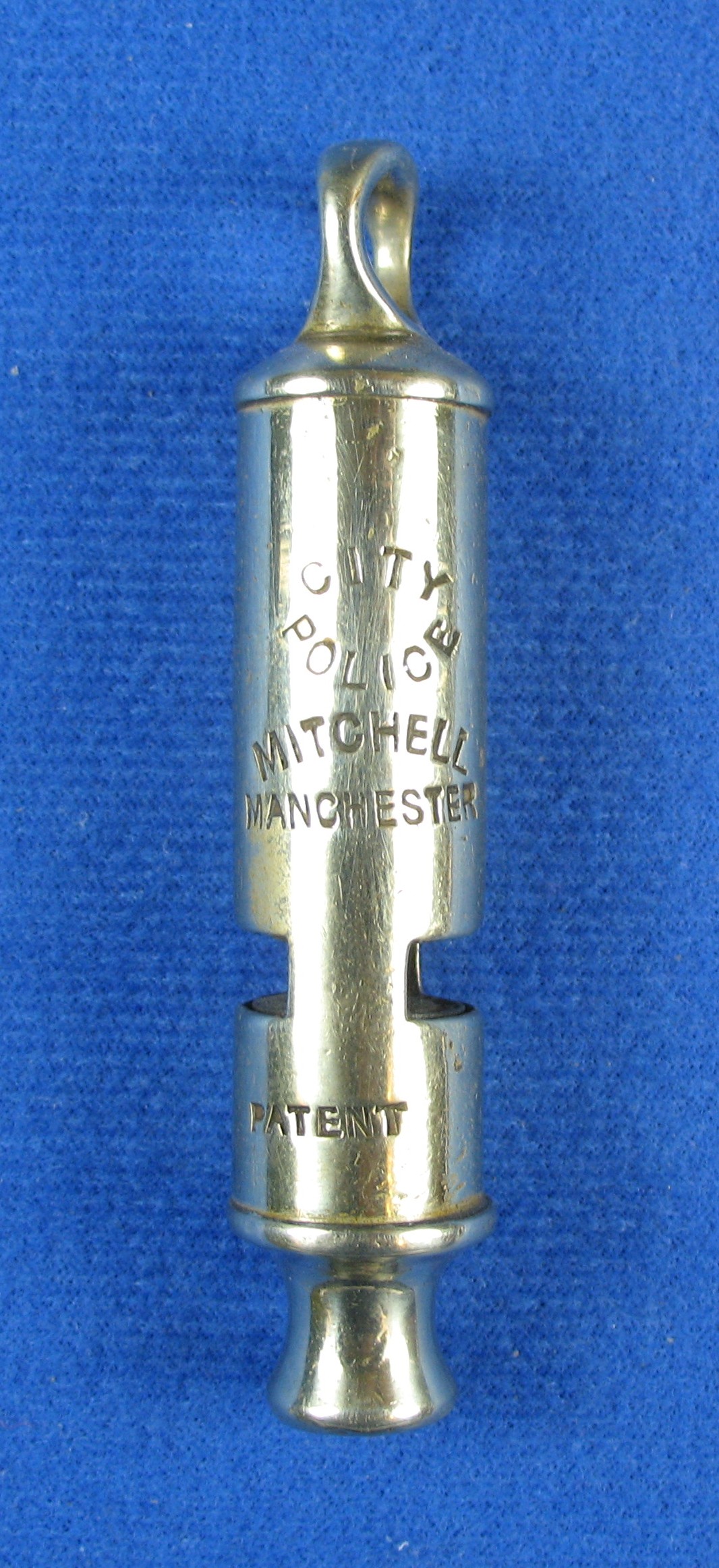
- City police
- police whistle
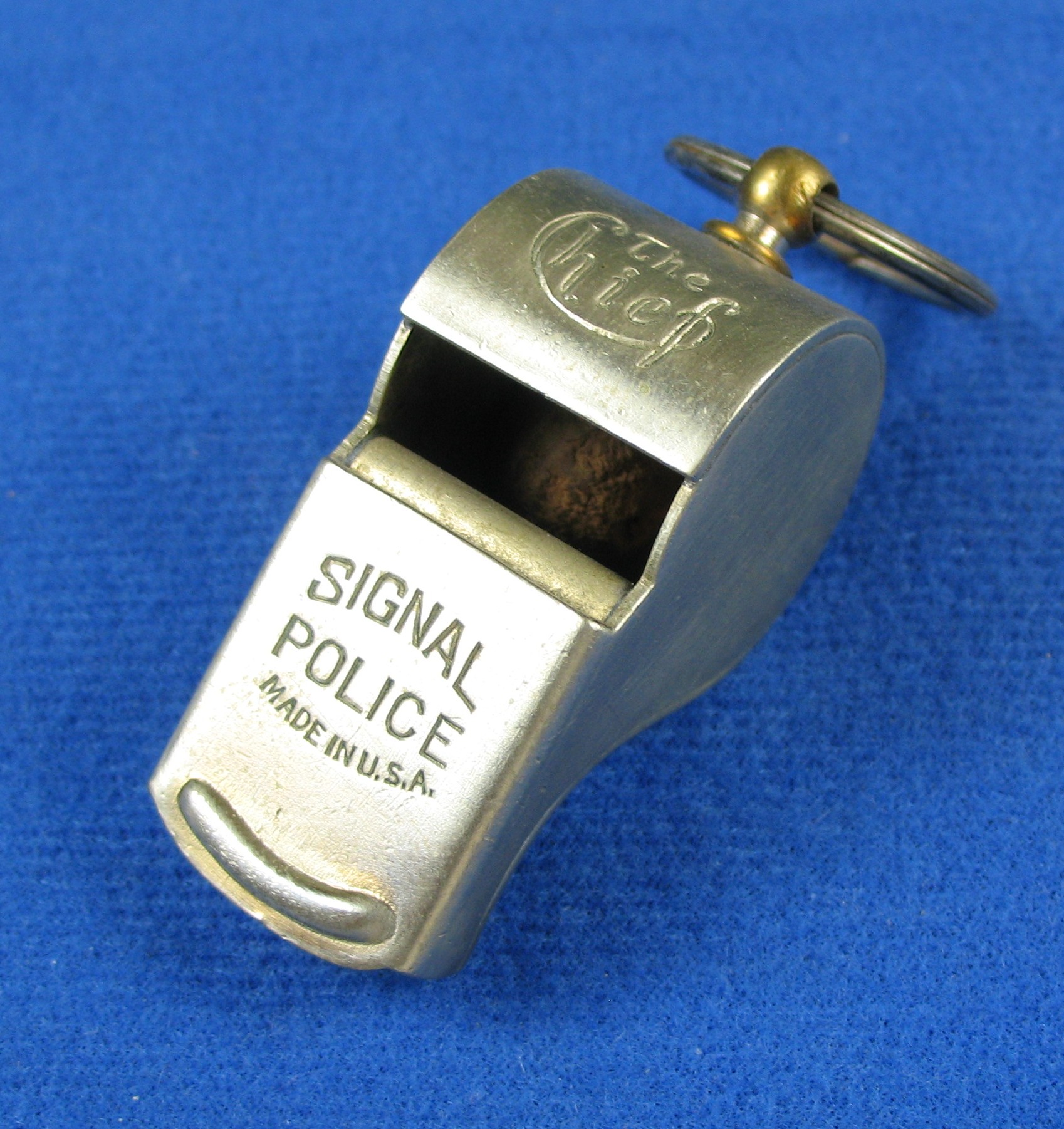
- signal police
These were available to the public, yet could be said to be police whistles (technically) For the collector however, they would still fall between police and civil whistles
(Research is limited to the UK here and similar stamps of equivalent are accepted in other languages and countries)
What we want to accomplish is to weed out any whistles not directly indicative of an actual police issue. In other words, removing all whistles that — could have been used by a policeman, but not actually issued and stamped for a force.
So, ask the question:
Was the whistle restricted and issued for a particular police force OR sold as a promotional whistle?
In other words, could anyone buy them over the counter ??
Earliest records indicate different types of whistles for police issues and included:
- short beaufort shaped
- buttons
- conical
- rounds
- tubular
- Escargots
- bullets (Argentina)
- combination of escargot/conical (Hiatt patent)
- double escargot (Polish)
- square (Argentina)
Interestingly, we have not seen pewter, bosun, multitube, or sirens used for police forces.
Why consider this as a separate topic? For the collector who drives the hobby, for the researcher who endeavors to categorize and not least of all for the seller who wants to aim his/her whistle towards the right market, this all becomes relevant.
Some observations to consider are as follows:
How rare is the stamp? Did the manufacturer stay in business long and produce many?
What condition is the whistle in? How large was the police force and how long did it last? Can the whistle be dated by that? How old is the vintage and construction?
How unique is the design of the whistle? Metropolitan tubular whistles are far more common than Hiatt combination whistles which are quite rare.
Prices are rising in the police whistle market, fueled mainly by the UK field and the many changes of constabularies dating back to 1800. However German issues are very collectable too, as are certain other rarities from other countries like Argentina. At present the range is from a few dollars USD, to close to 1500 dollars USD.
Police Whistle Distributors
Not a little confusing for everyone is the subject of distributors (as opposed to manufacturers) These were companies with product lines that had their name stamped on whistles along with either a police force — or without a force.
For the novice, it would appear that a given whistle was made by that added name — as a maker. They were not. We will show some examples to help separate this. Some distributors are as follows:
Harford, J. Reid, Kohler, Keane, Mitchell, Priest, Aird, Potts, Shaw, Reid,
McFarlane, Dyke, Hobson, Simmons, Strand, the list goes on and more often is seen on conical whistles, rounds and tubular, but could also be found on other whistles. When you see names like these, then you know who ordered and distributed the whistle, but it was made by someone else.
***Beyond this, some had their name stamped on the whistle as ‘maker’ — when they weren’t the ‘maker’, but a distributor also. They were a maker of products and were advertising such on the whistle (see SPOTLIGHT 92)
Whistology
So, let’s examine some types and make some comparisons.
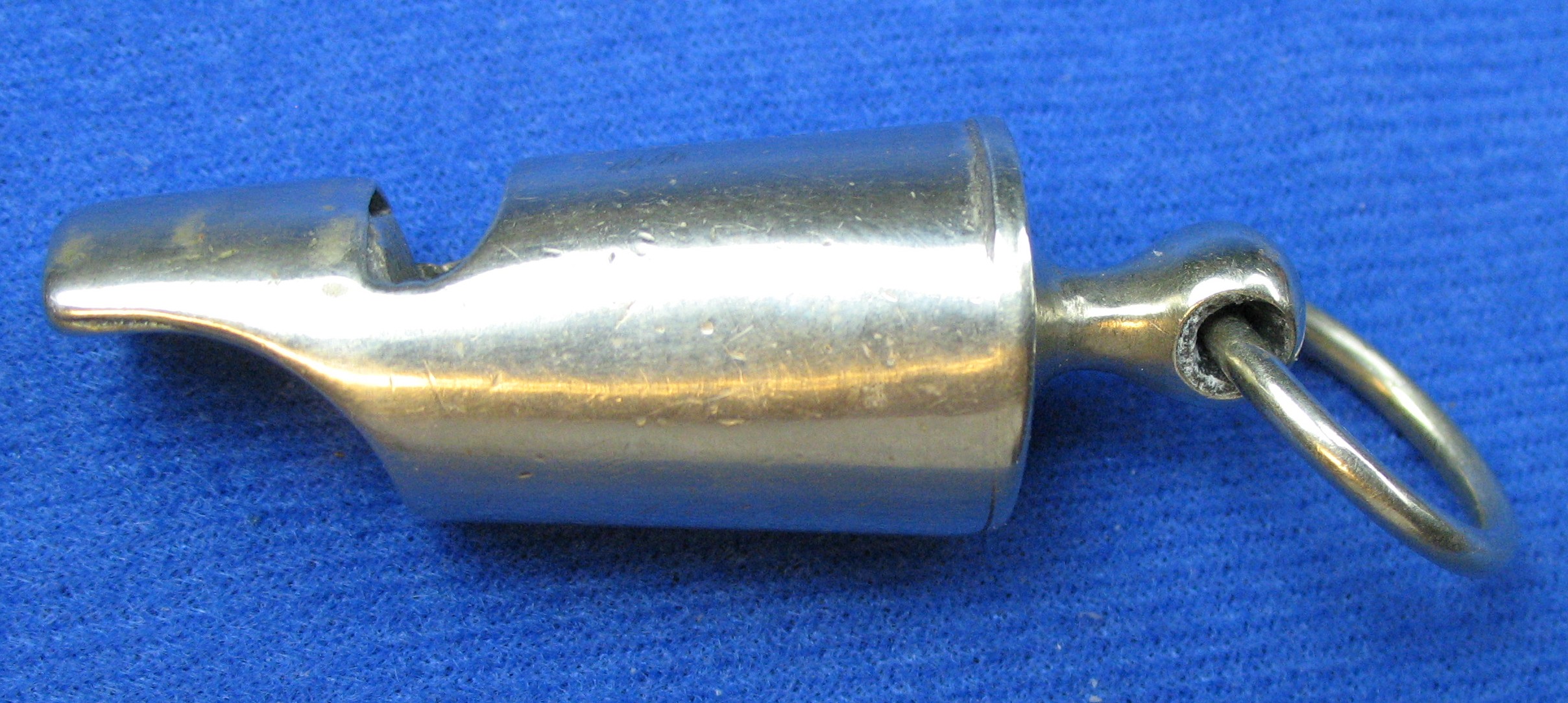
First, a smaller conical type whistle, more of the round whistle class. Pictured here for comparison only. This type has been seen with stamps from police and distributors. (i.e. Durham Police or Hiatt distributor) These types date back to very early 1800s as do the button whistles of varying custom and handmade designs.
Here is a button whistle made for the Denbigshire force:
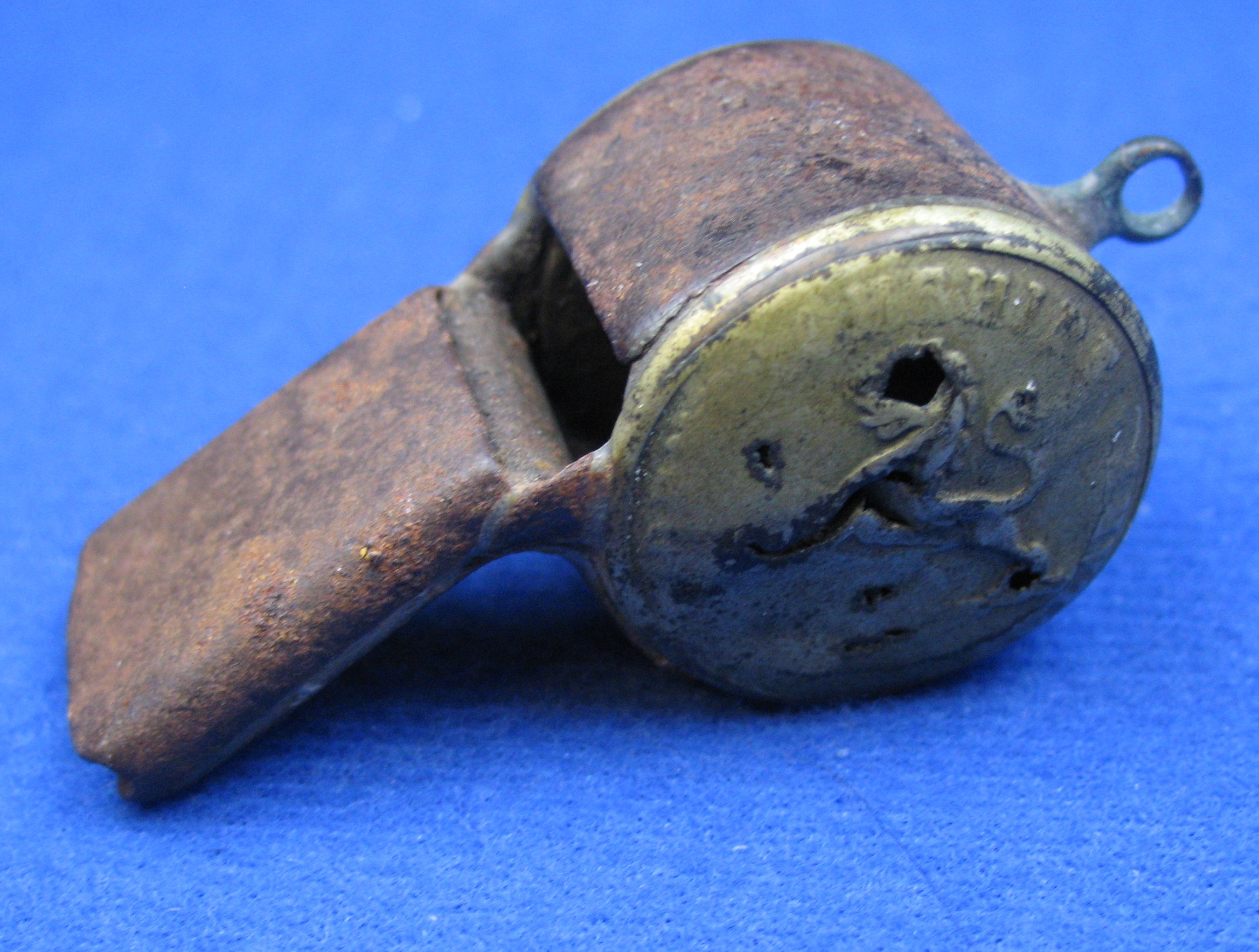
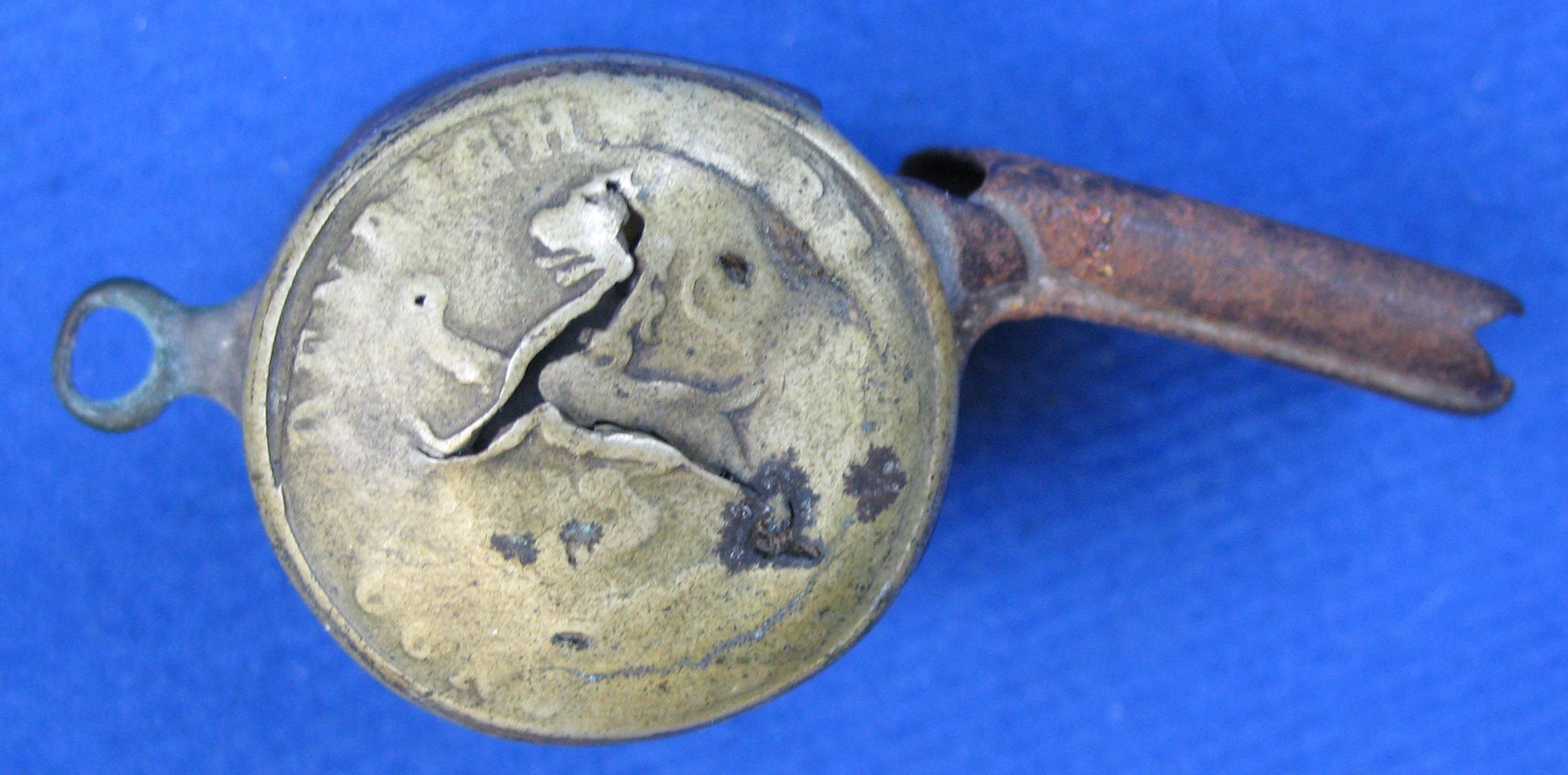
Typically, the buttons were taken from the clothes of that uniform and formed into a whistle. It was a very rustic (literally) way to make them. Police stamped buttons are rare as most button whistles were for military or livery.
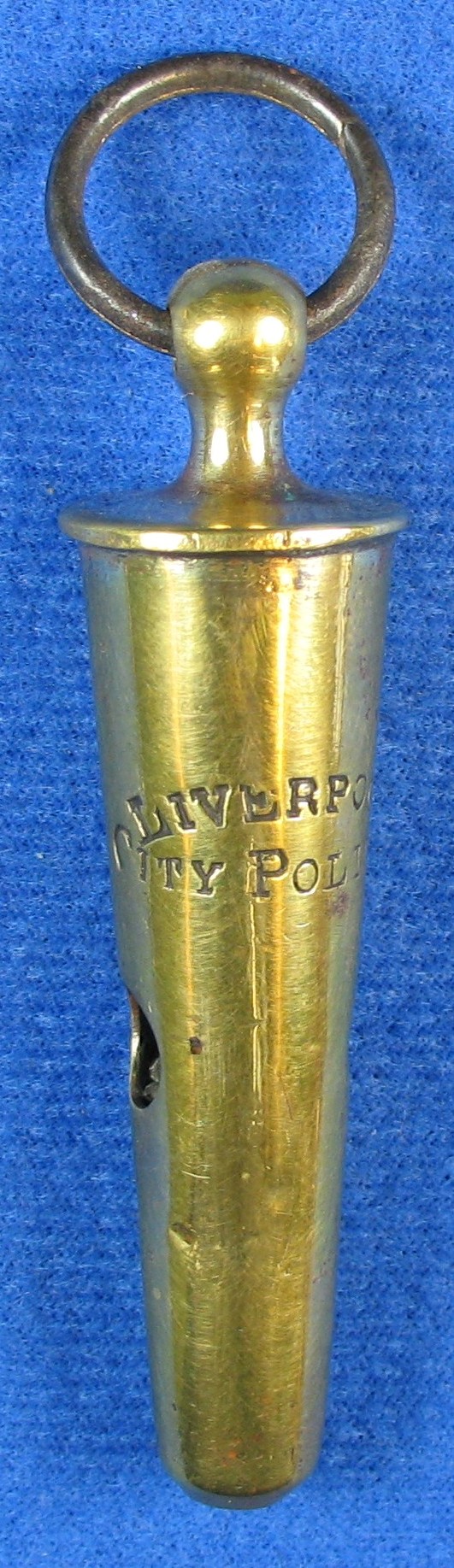
Many forces used for years — with mouthpieces and without —- the conical whistle…
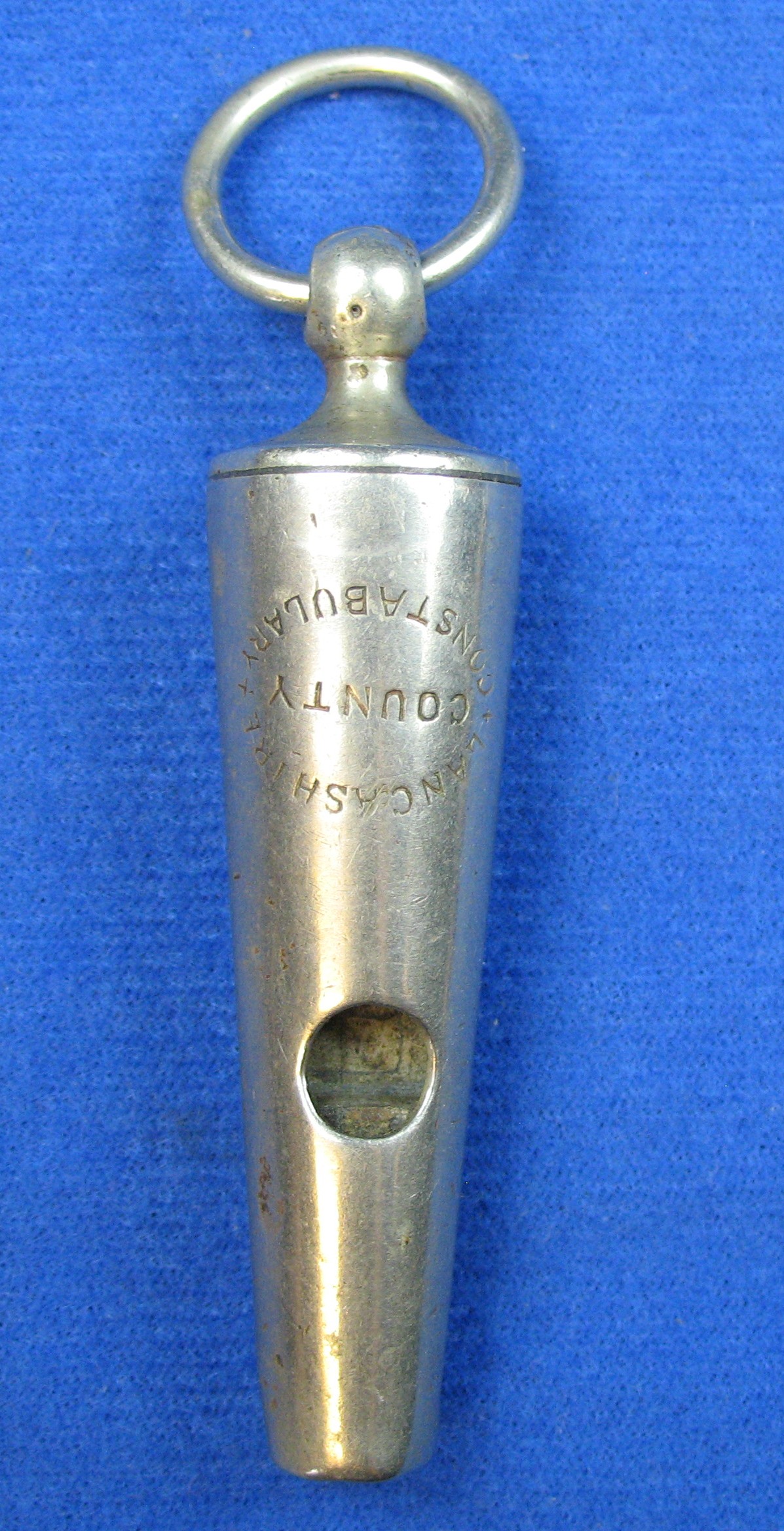
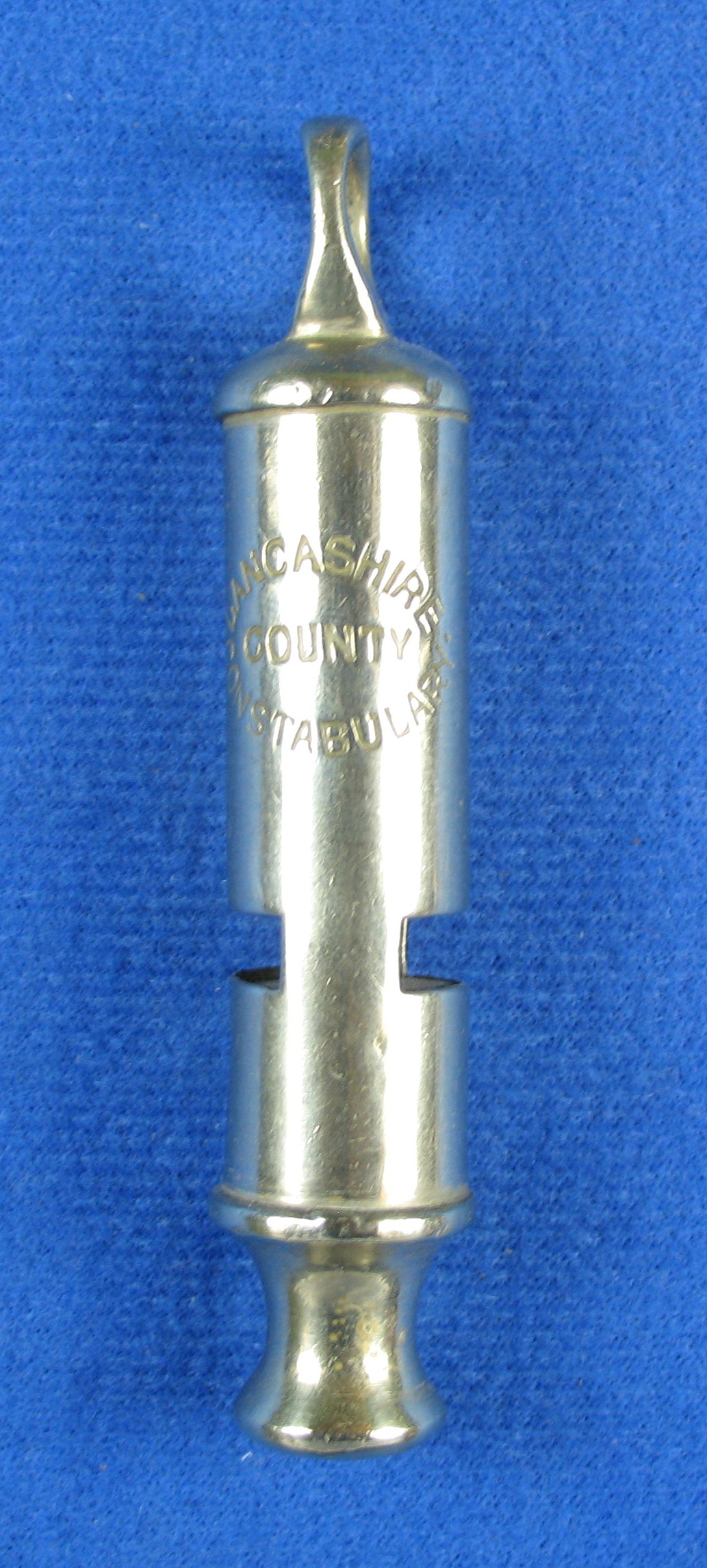
The Liverpool conical was the longest lasting of all police issue conical whistles and this one is by DeCourcy next to a Dowler Lancashire County.
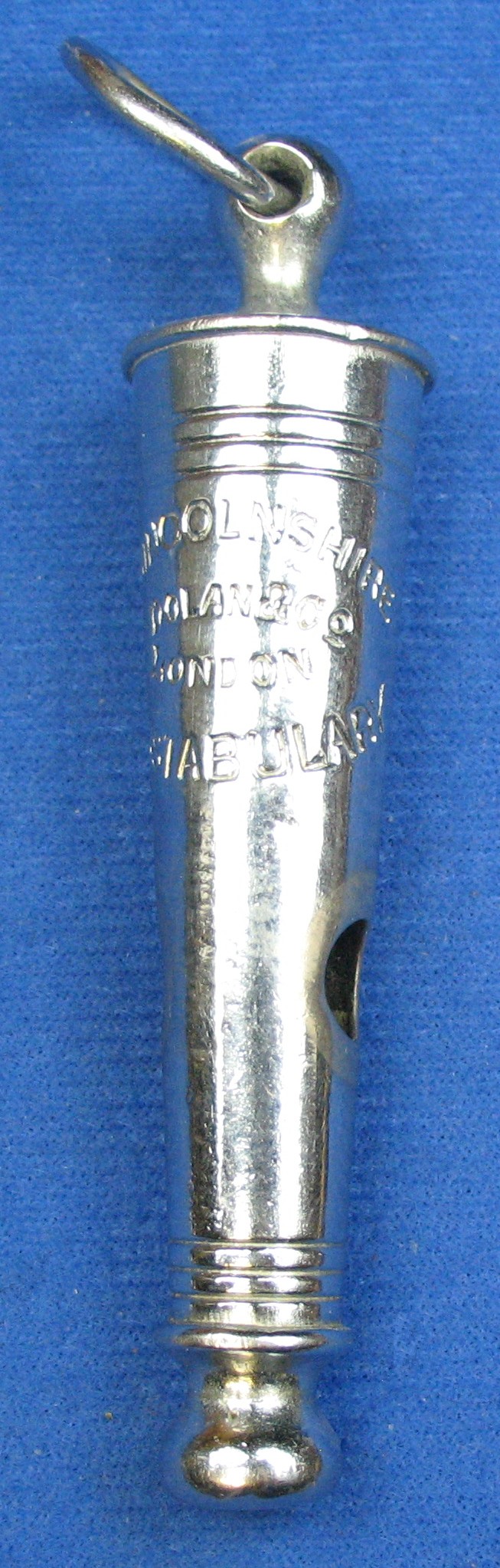
Here is a Lincolnshire Constabulary with mouthpiece by Hudson:
For a discussion of police forces and distributor stamps and the overlap of such please see the breakdown of this under Metropolitan Police versus civil whistles below…
Now let’s switch to round whistles in progression. In researching this we have not found typically roundwhistles with police force stamps. Although very early police forces did use round whistles, they typically did not stamp any forces on them. Recently a DeCourcy manufactured round surfaced, but it is the exception.
Police Force Stamps Vs Police Market Stamps
Now for the largest category, tube shaped police issues…
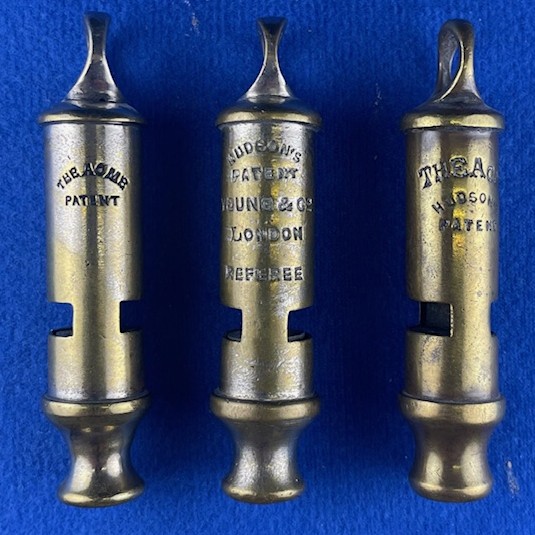
(A comprehensive discussion of Metropolitan Police whistles by Hudson is seen in SPOTLIGHT 13)
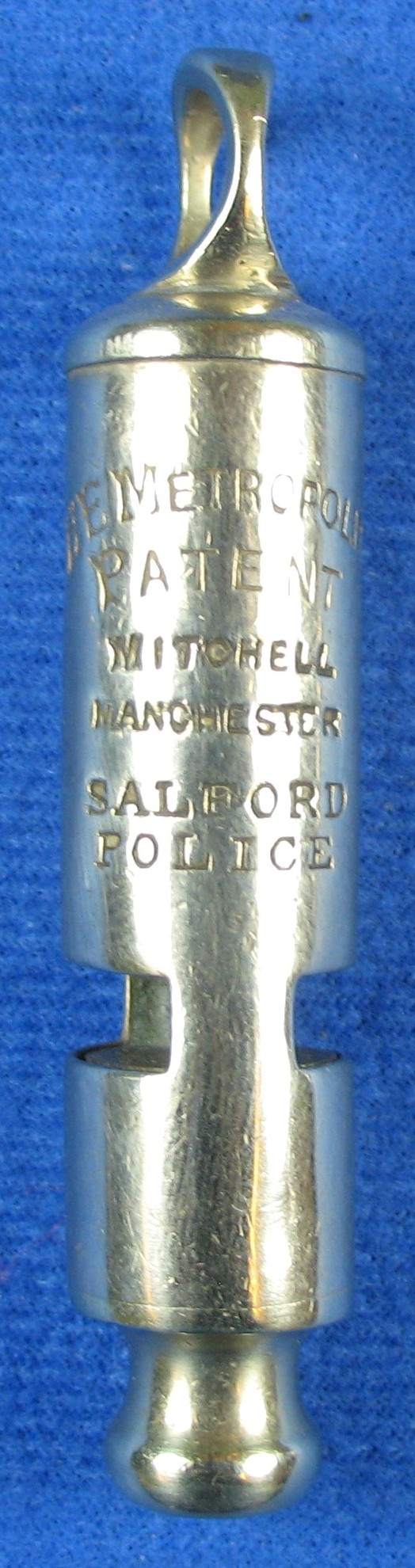
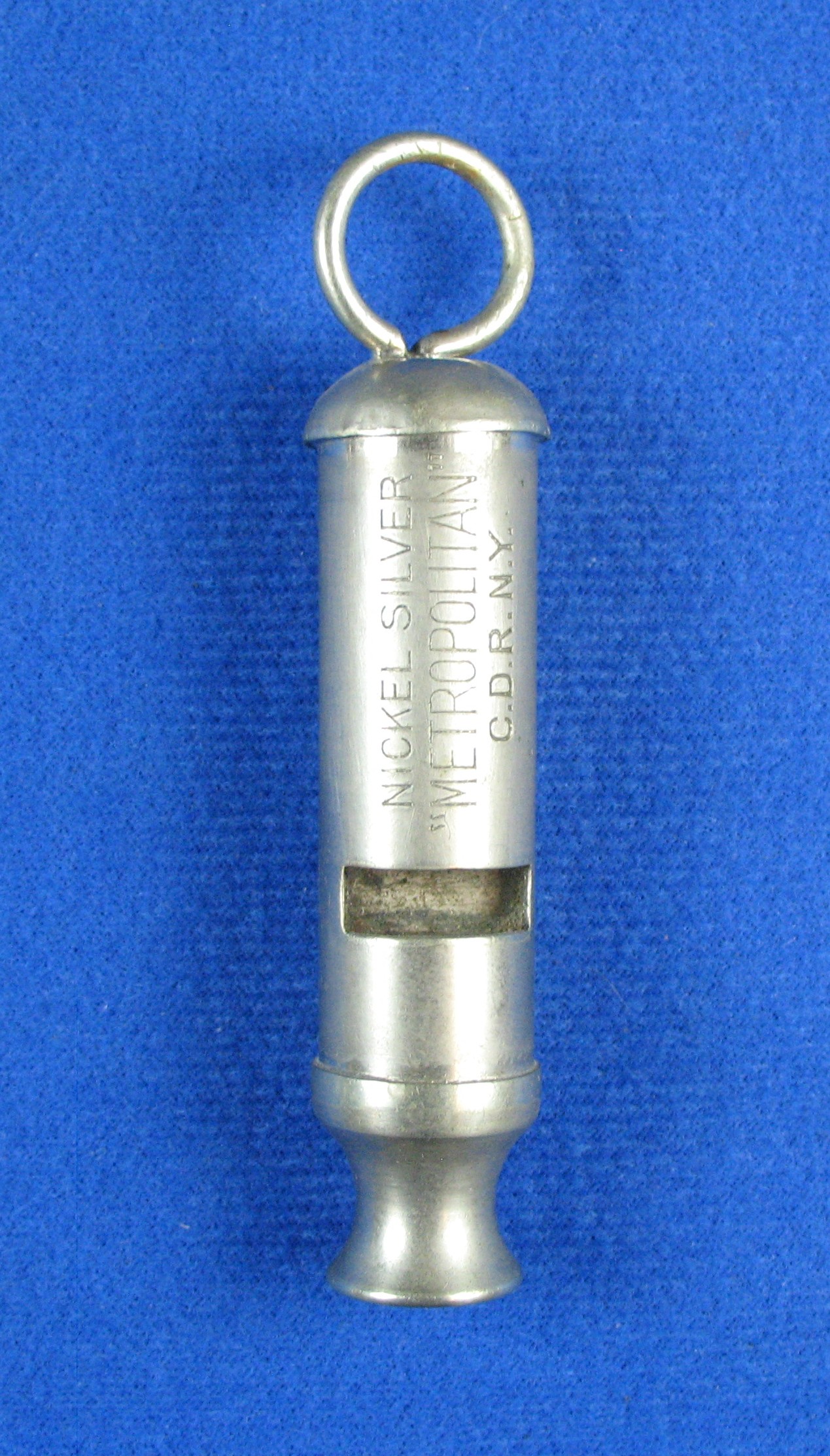
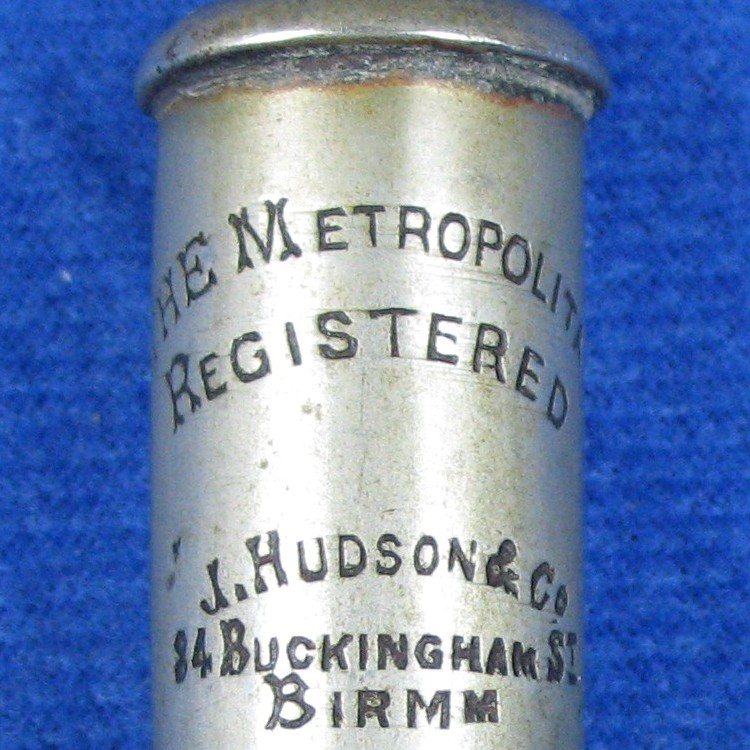
Does the whistle have METROPOLITAN on it? – then it is a civil whistle at this point.
Does it have a police force on it too? ————- then it is a police issue
Does it lack a police force, yet have a distributor on it? – then it is a civil whistle
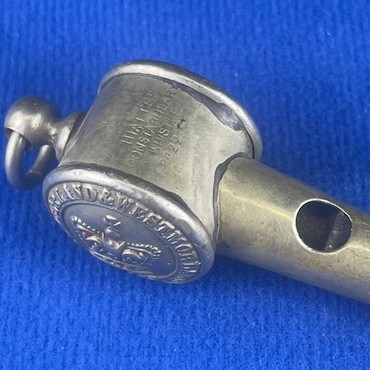
Does it have METROPOLITAN, a distributor AND a police force on it? – then it is a police issue
Confusing?
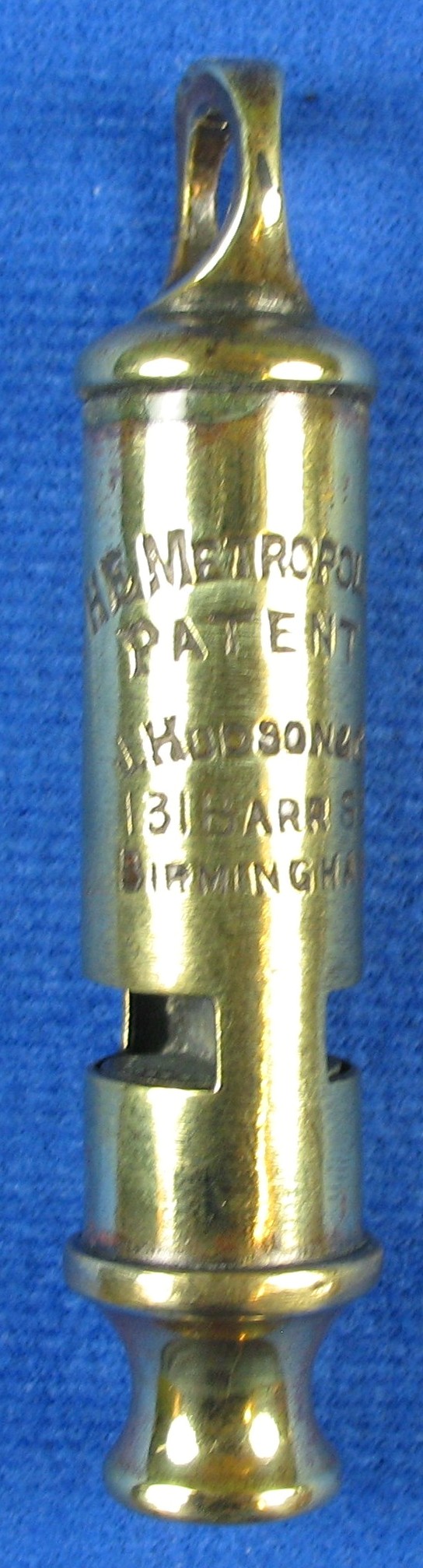
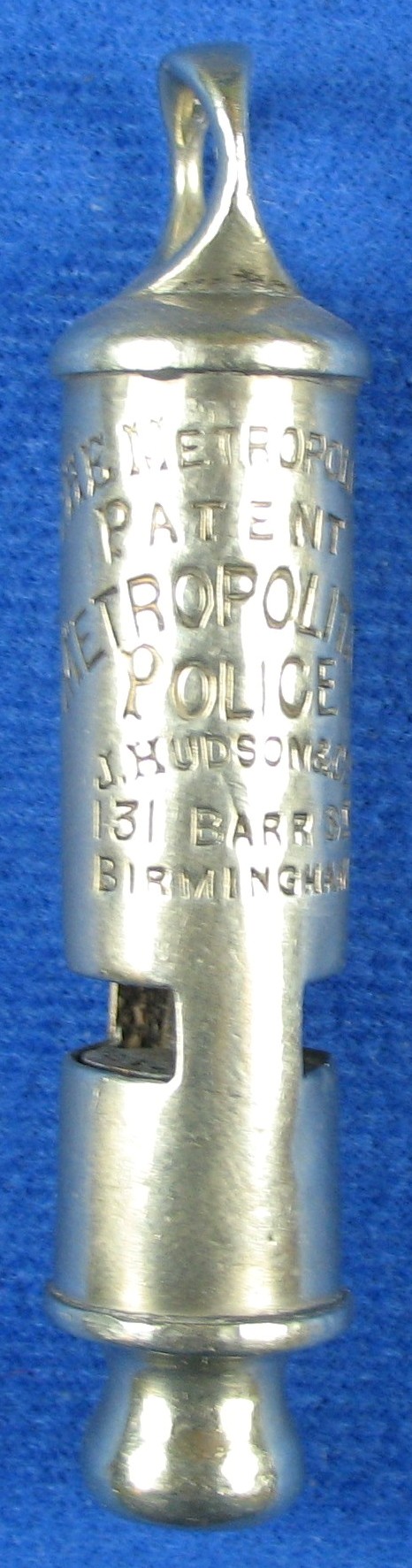
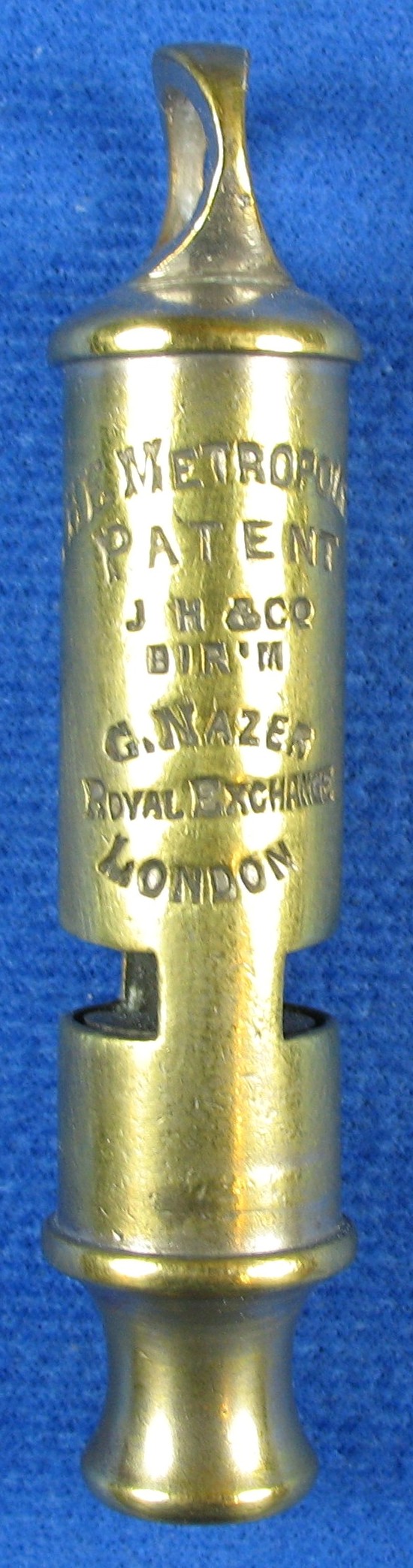
- civil whistle (for sale to the public)
- police issue (not for sale to the public)
- civil whistle with a public distributors name (for sale to the public)
- police issue with police distributors name also (not for sale to the public)
What do we learn? For one thing, if a whistle says Metropolitan on it, you do not automatically assume it is a police whistle. Granted the name has become synonymous, but that is a general misconception. Now you will see occasionally ‘police type’ (referring to the tubular design) and of course that would be accurate, but still a little confusing, as it is a ‘type’ and not an actual police issue.
Police Whistles Beyond The Metropolitan
Now, how does this apply to other manufacturers? There were other whistle makers that also supplied police whistles and were contracted for the different forces including:
Barrall, Dowler, DeCourcy, Bent & Parker, Yates? others?
(Walton came close, but never specified, nor restricted his to a particular force that we have seen.)
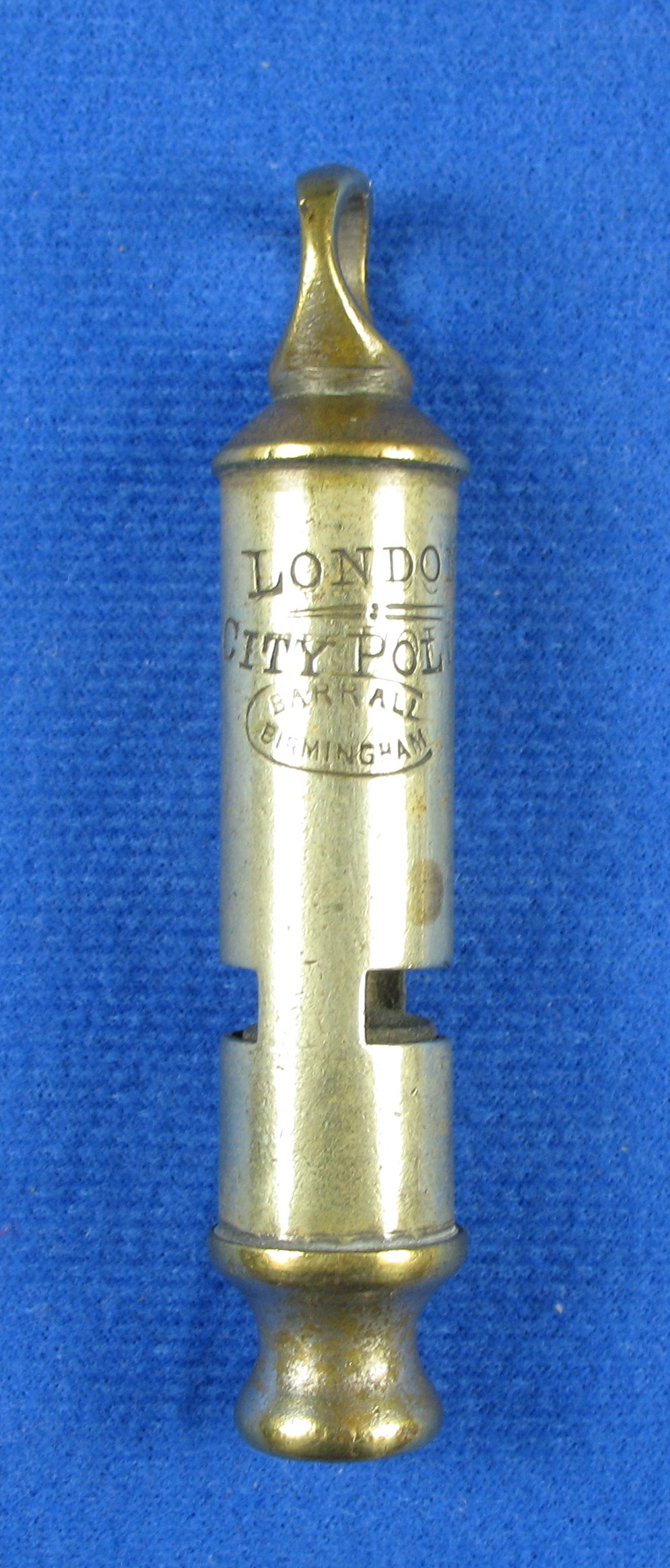
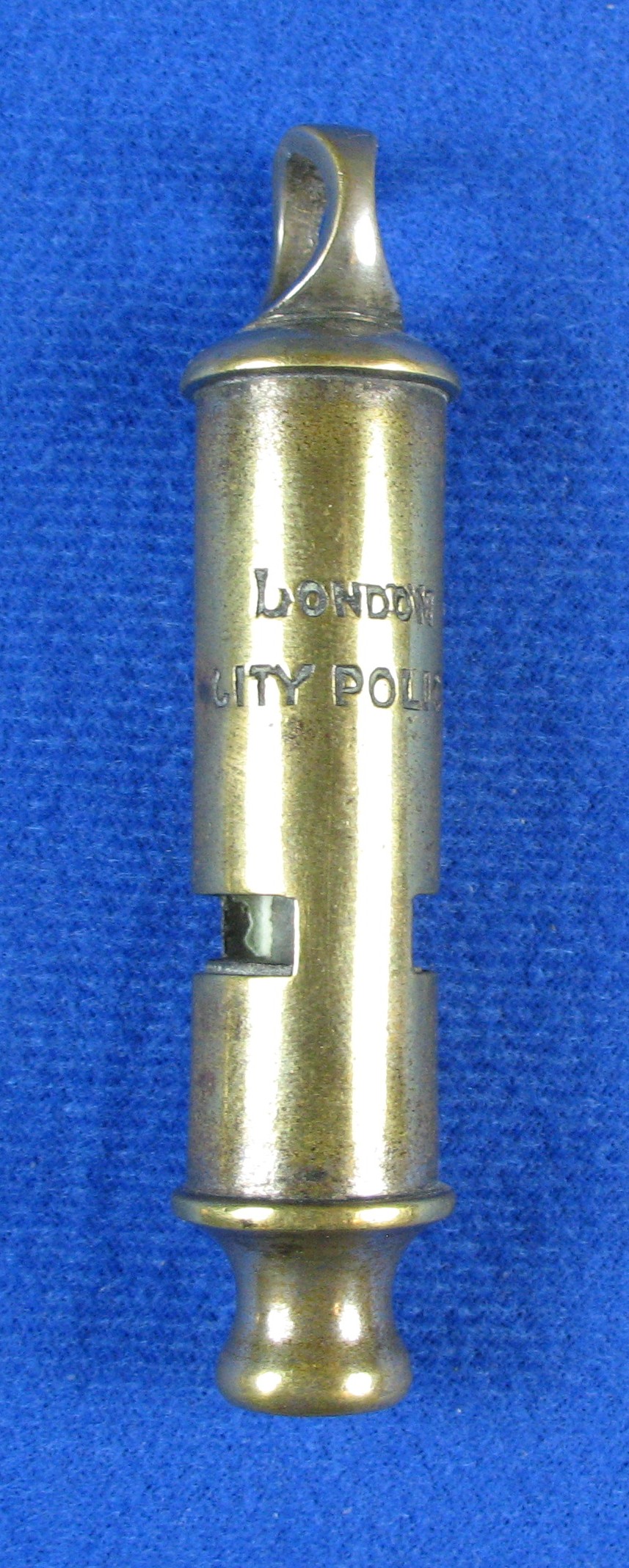
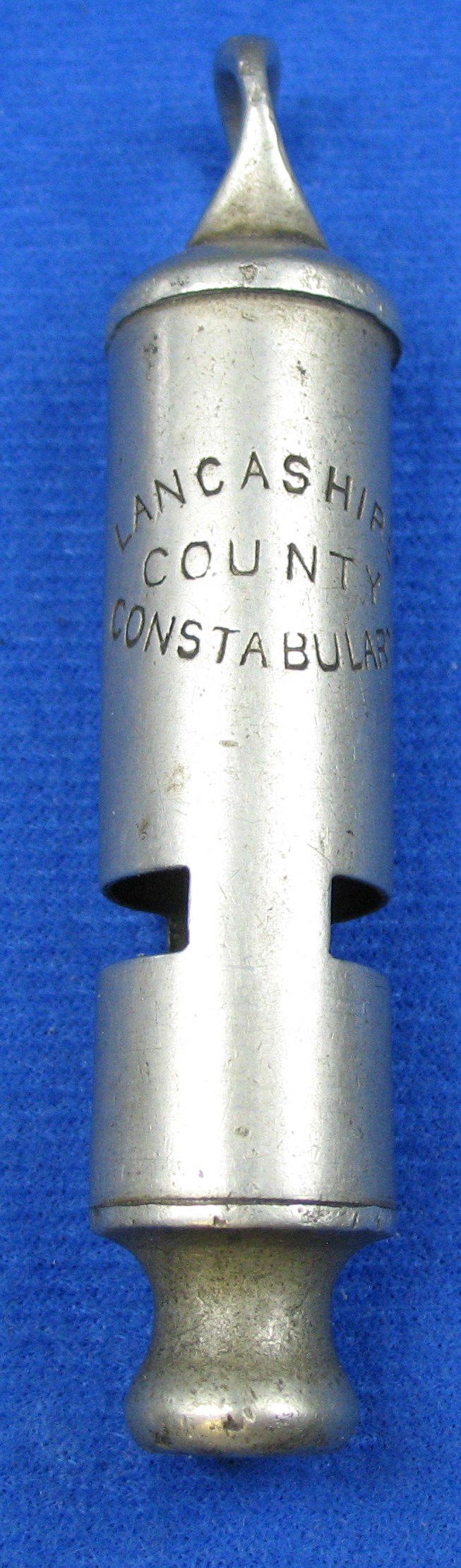
- Barrall
- Dowler
- DeCourcy
- Bent and Parker
Each country can use these same principles. – What was the whistle made for >> the police only or the public? Specialized or ‘promotional’?
Argentina used police and federal enforcement issued whistles, but how restricted were they? No records have been accessed at present. However, there were marked and unmarked manufactured. Here is a whistle typically seen in Argentina manufactured in the UK, Germany, Argentina and perhaps France?
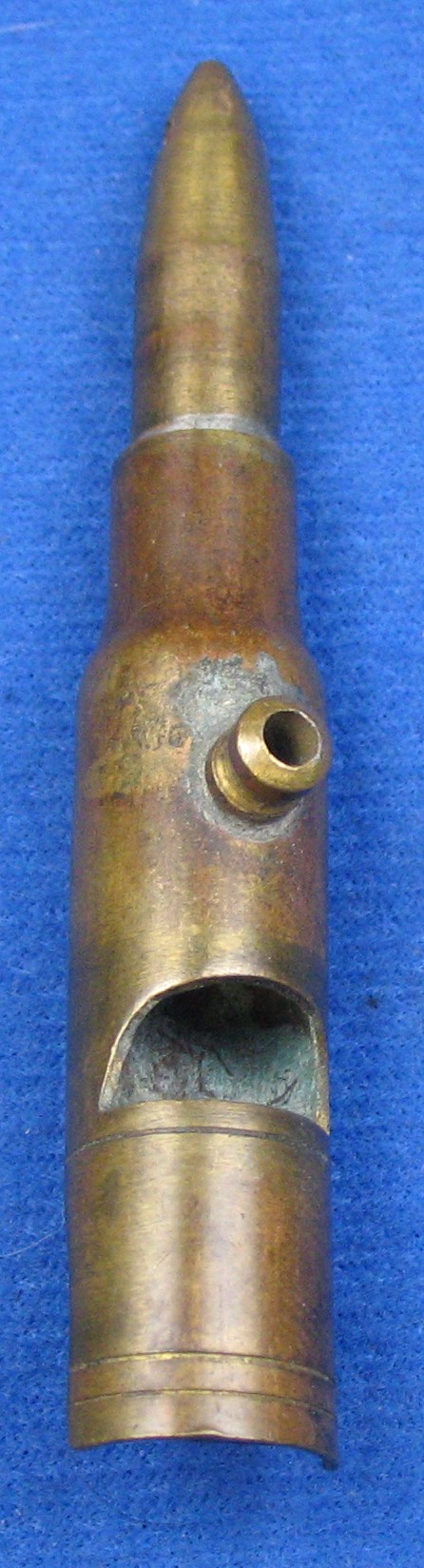
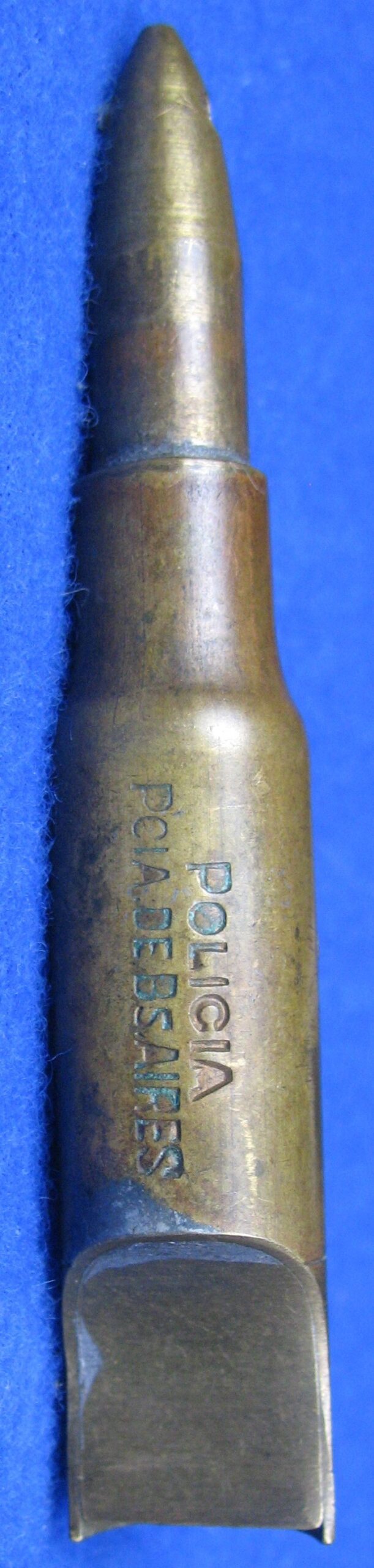
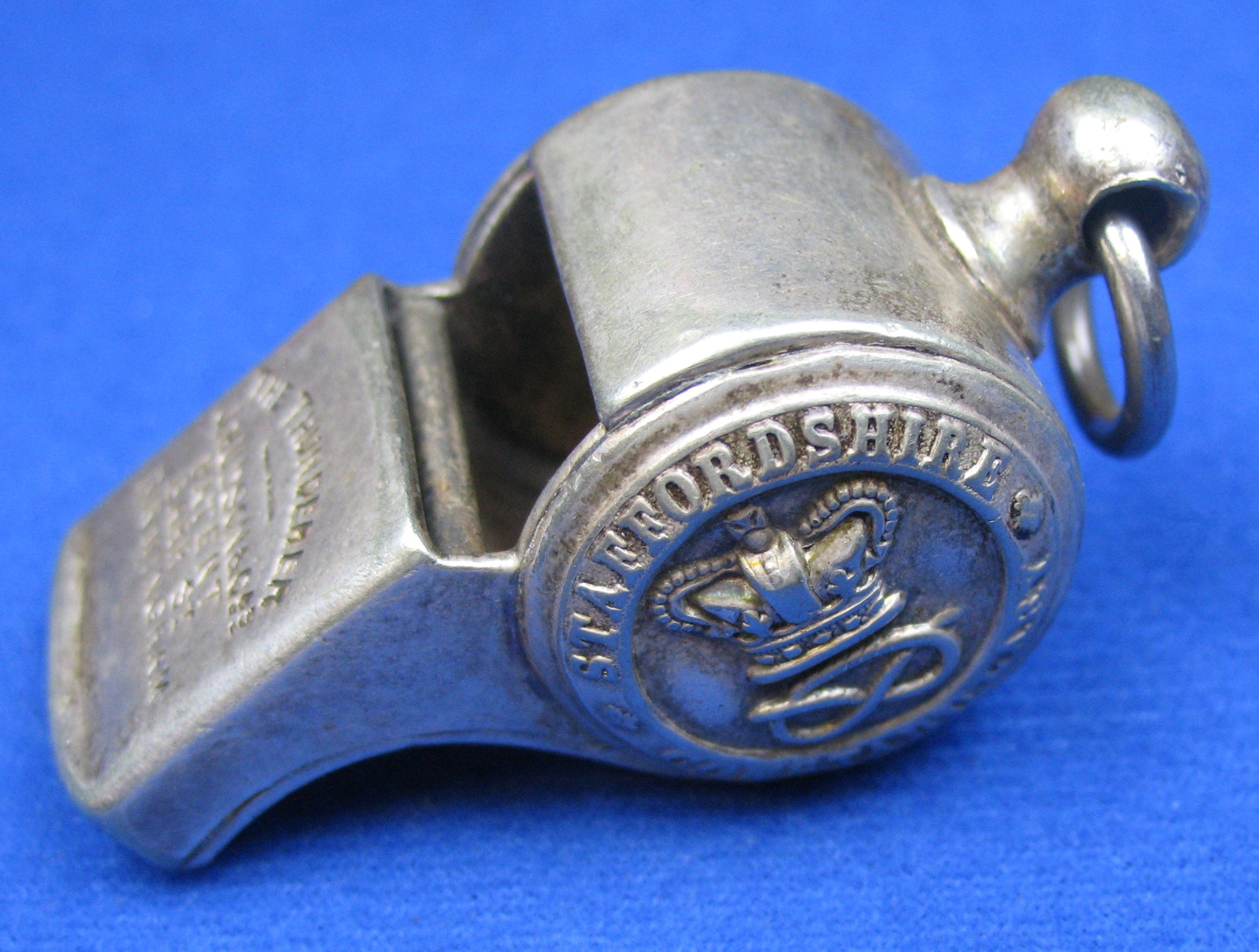
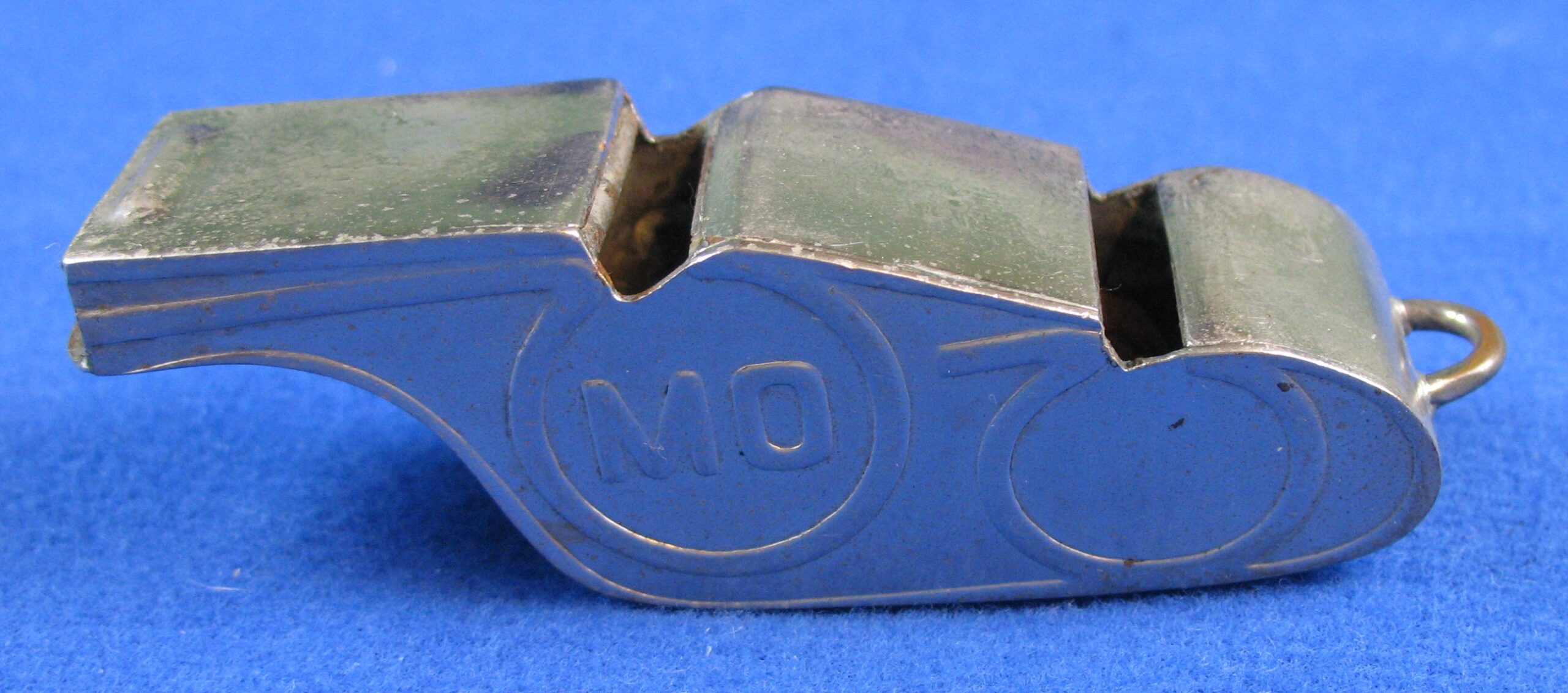
Here is an example of an escargot dedicated to Staffordshire and then a unique design to the Polish Citizens Militia – state police of the 1950s
Police Whistles With The Word “Police” On The Stamp
Now let’s discuss the second most confusing topic (whistles with the WORD police on the stamp)
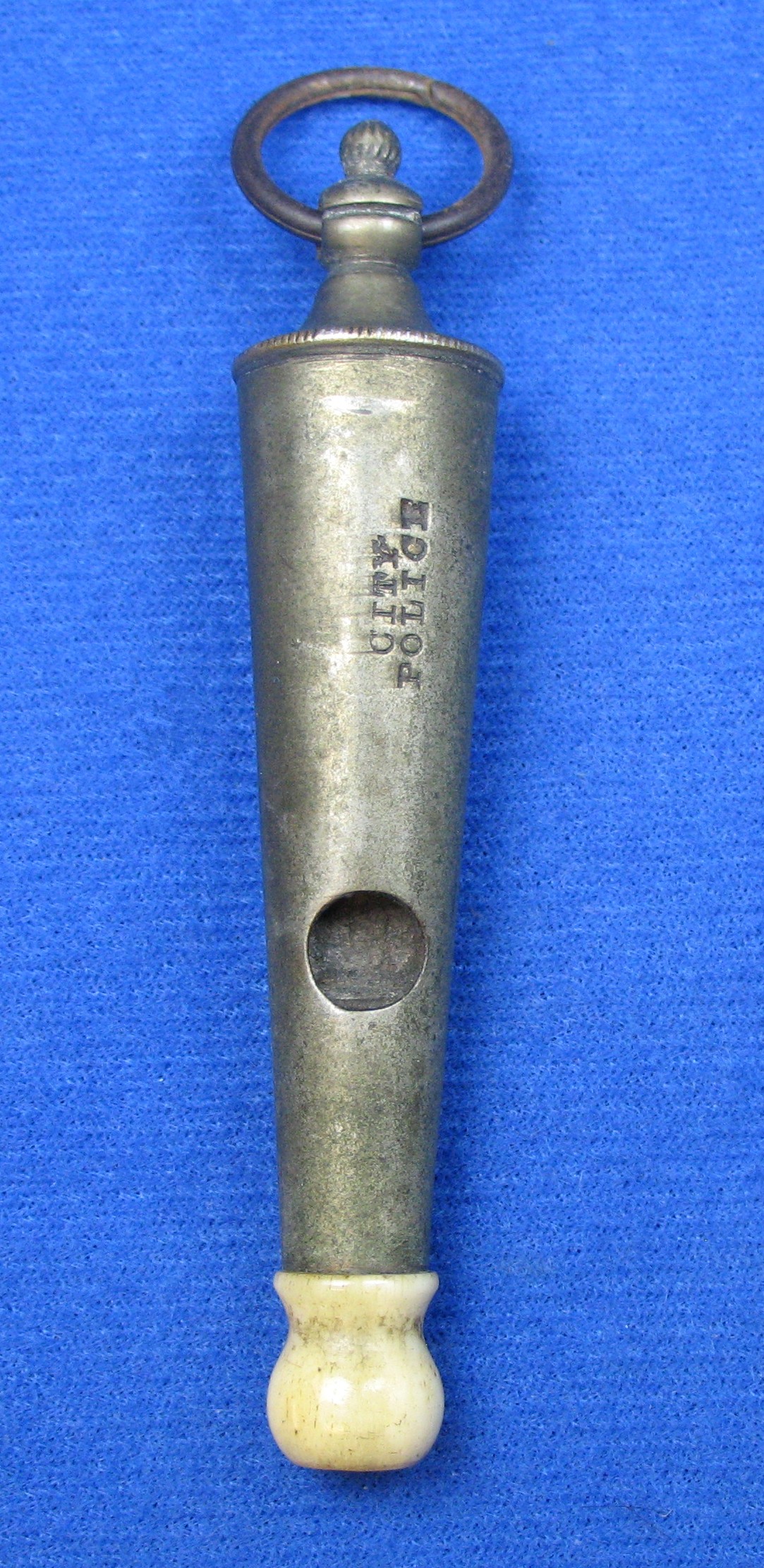
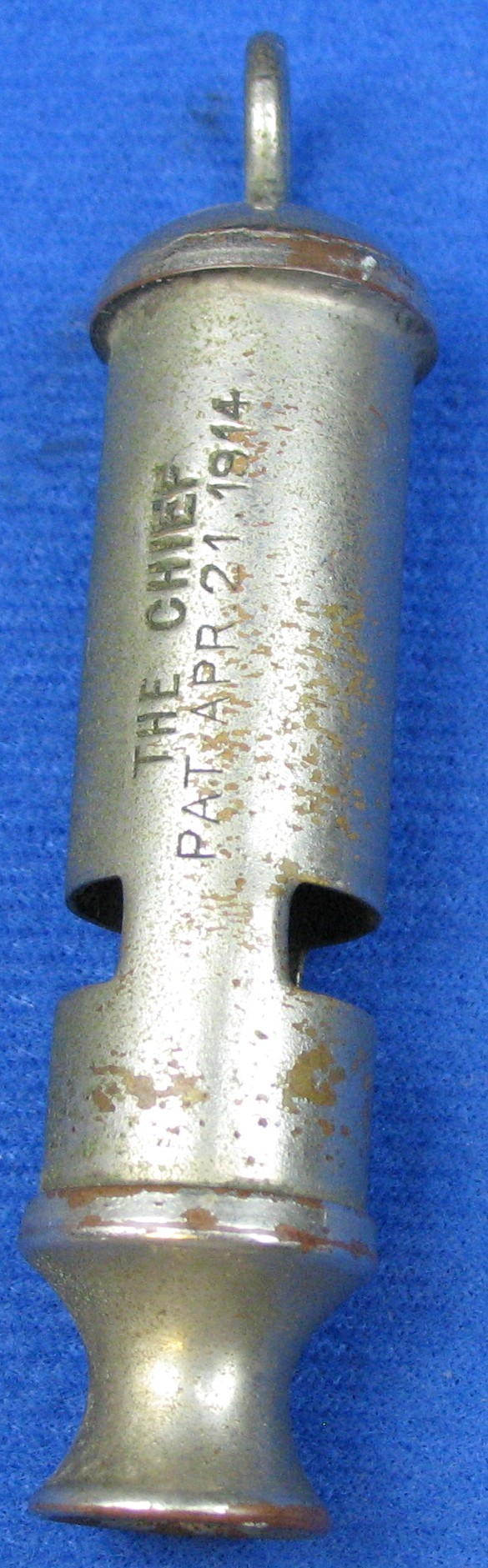
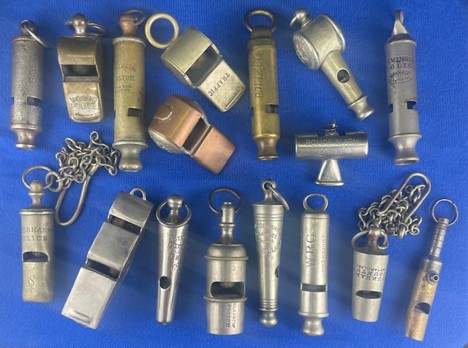
As mentioned above, many stamps have been arranged to try to capture the public market and also the police market, neither of which order was ordered by any specific police force. Listed above such as police/fire or police special for example, they could be bought and used by anyone—police or not. So, to call such a whistle a ‘police whistle’ would literally be accurate. However, to the collector (and the seller) it becomes important to recognize the difference. Examples:
Conclusions
What about exceptions to the rule? What about presentation whistles? Or special issues? Or engraving afterwards, Or?
You will have to decide. These are just some guidelines to unravel some of the confusion and perhaps further the benchmark that Martyn Gilchrist so well established in his milestone book Collecting Police Whistles and Similar Types.
TWG
Posted August 5, 2014
Revised September 15, 2020
Revised October 11, 2020
Revised February 12, 2021
Revised December 31, 2021
Revised September 5, 2022
Revised December 4, 2025
Revised July 20, 2026
Bibliography:
- TWG Reference Collection
- The Whistle Gallery Archives
- Collecting Police Whistles and Similar Types, by Martyn Gilchrist and Simon Topman, 1998.
- More Whistles, Martyn Gilchrist, 2005.
© – All photos with blue background property of The Whistle Gallery reference collection. Please contact The Whistle Gallery for permission of use of any website content. Spotlight articles are copyrighted. Please contact The Whistle Gallery for permission of use of any website or Spotlight article material written or otherwise. Use of photos without authorization is prohibited.


 Users This Month : 2795
 Total views : 170677